Ditto
A camera that physically refuses to take a bad photo
- Semester
- Fall 2025
- Role
- Designer and maker
- Tools
- Autodesk Fusion, 3D printing, Embedded Electronics
- Results
- Co-Author, ACM Creativity & Cognition 2026Exhibited, Perversion of Interfaces, 2025
- Semester
- Fall 2025
- Role
- Designer and maker
- Tools
- Autodesk Fusion, 3D printing, Embedded Electronics
- Results
- Co-Author, ACM Creativity & Cognition 2026Exhibited, Perversion of Interfaces, 2025
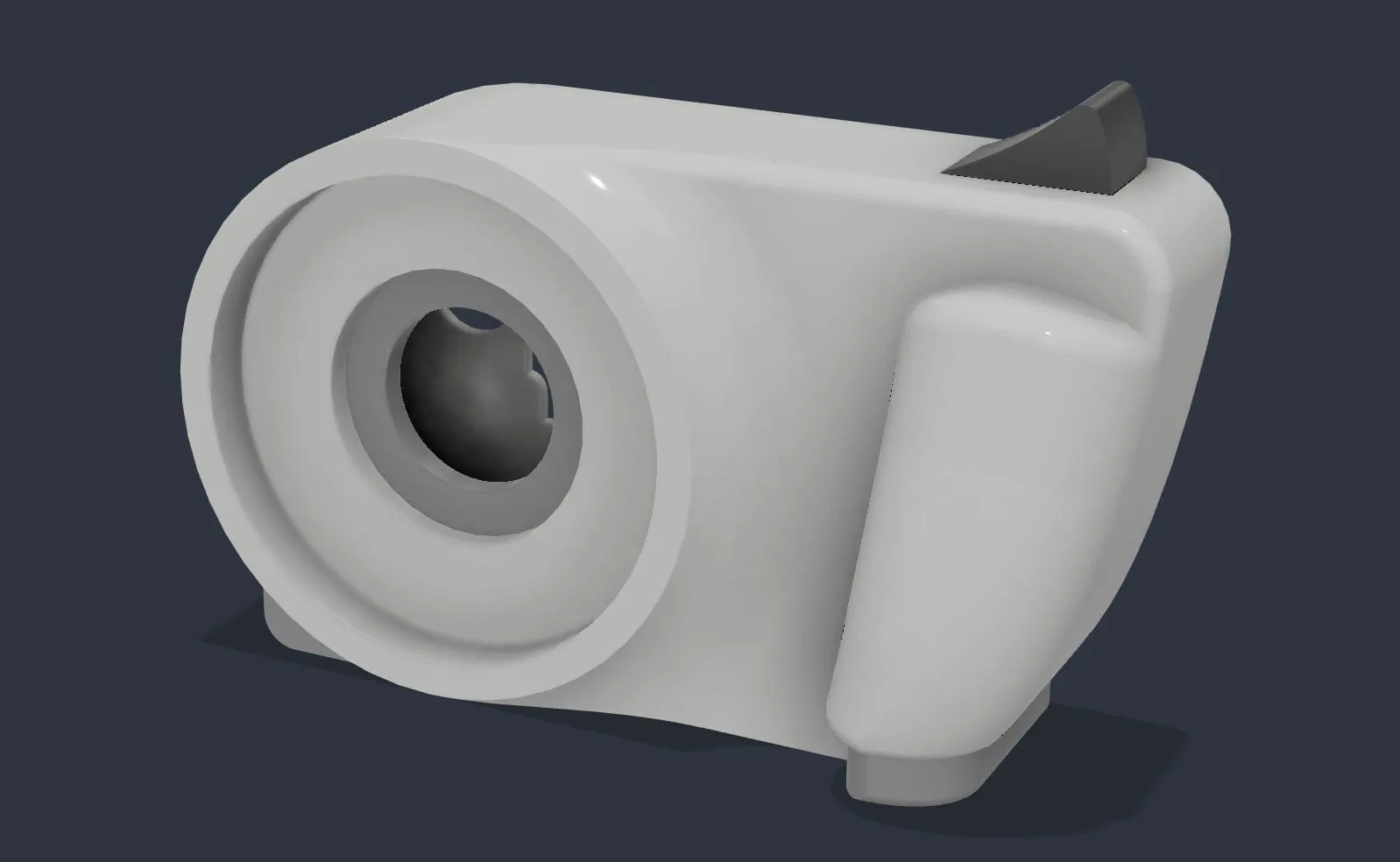
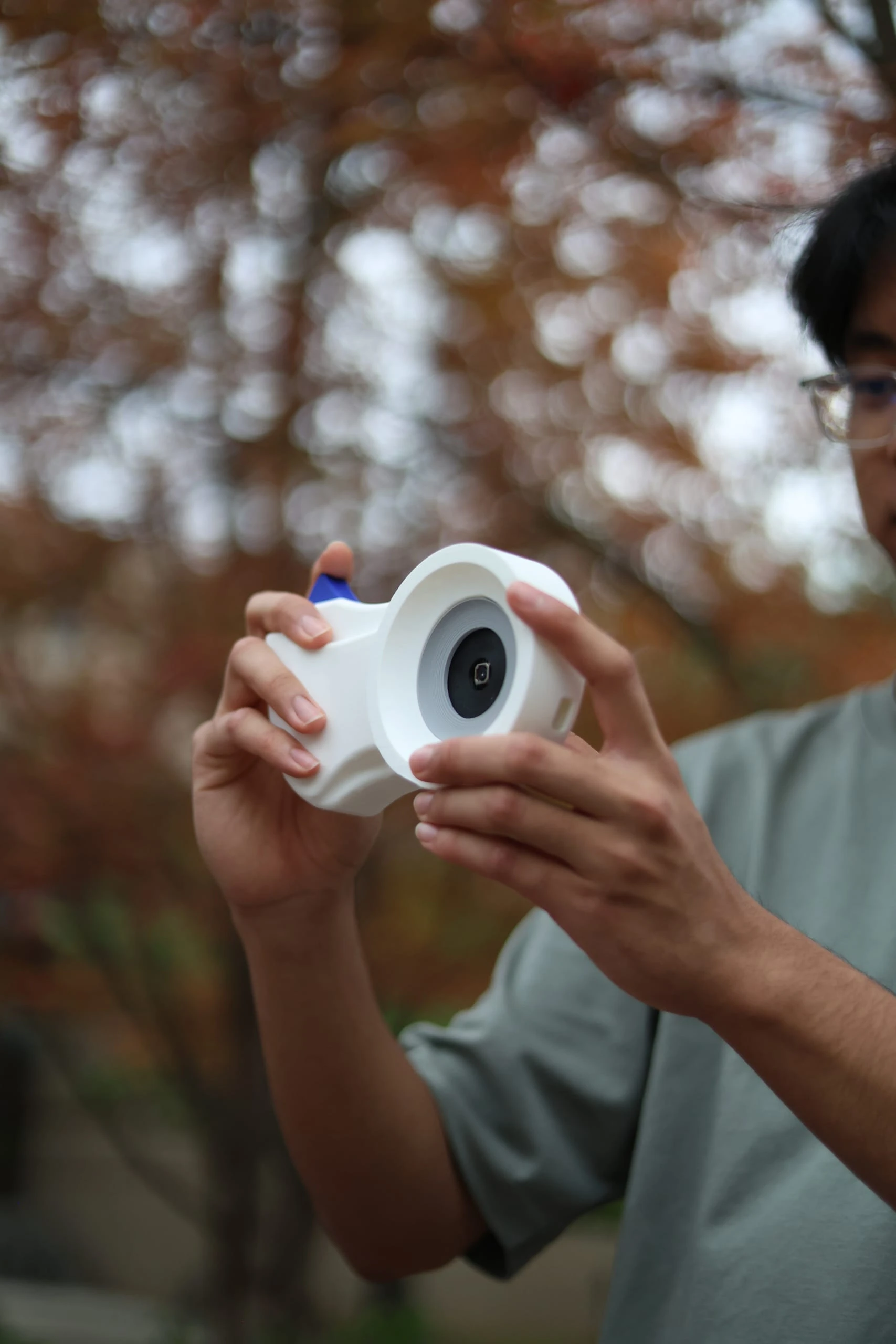
Ditto is a camera that brings AI behavior into a physical, creative context. When a user points Ditto at a subject that its AI model doesn’t like, the camera will mechanically retract its shutter so it can’t be pressed.
Cameras are iconic instruments that bring technology to the humanities, and vice versa. A camera is socially, technically, and artistically ingrained in society as a device that captures a moment of time from the user’s perspective. Referencing these established norms, I designed Ditto’s concept to challenge our assumptions of technology’s role in normal aspects of life.
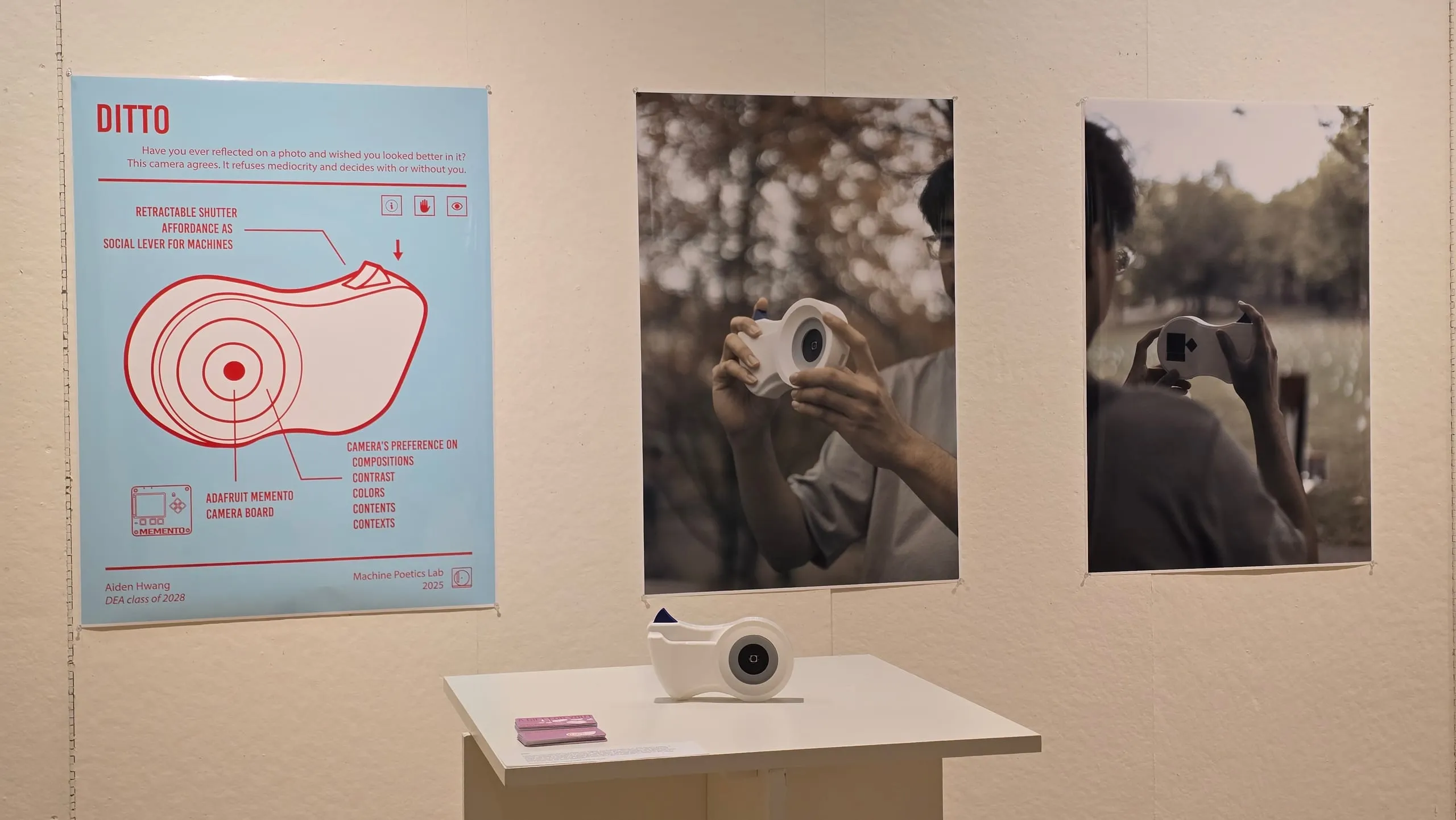
Ditto is part of my research exploring how physical design can embody AI decisions that are normally confined to software. Through combining industrial design with AI models and philosophical exploration, I explore how human-computer interaction can evolve to serve a future society where AI expands from software into the physical world.
This work was my contribution as a co-author to a pictorial featured in ACM Creativity & Cognition 2026.
It was also a piece in my lab’s Perversion of Interfaces exhibition, held in Cornell University’s Martha Van Rensselaer Hall through October 2025.
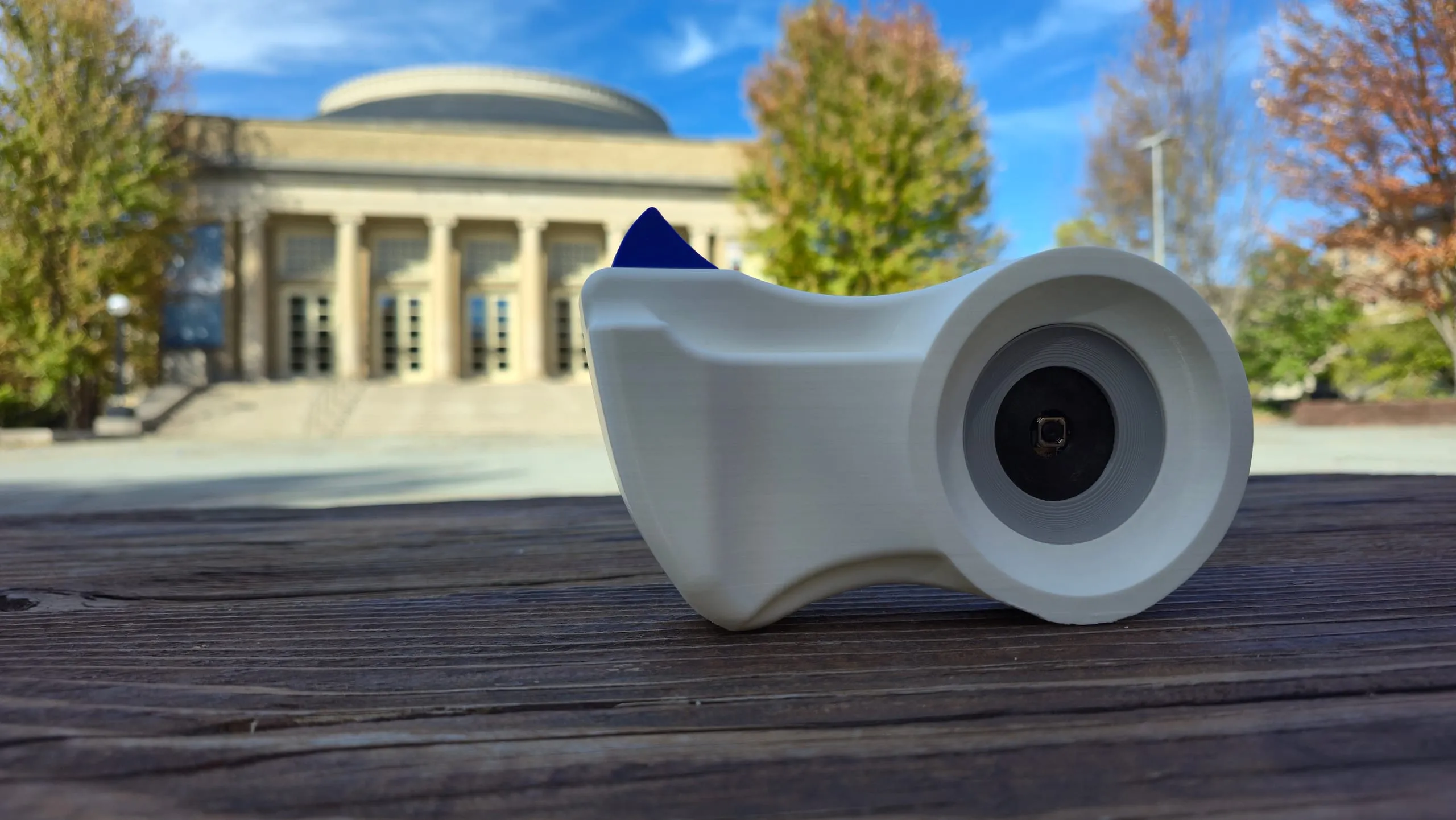
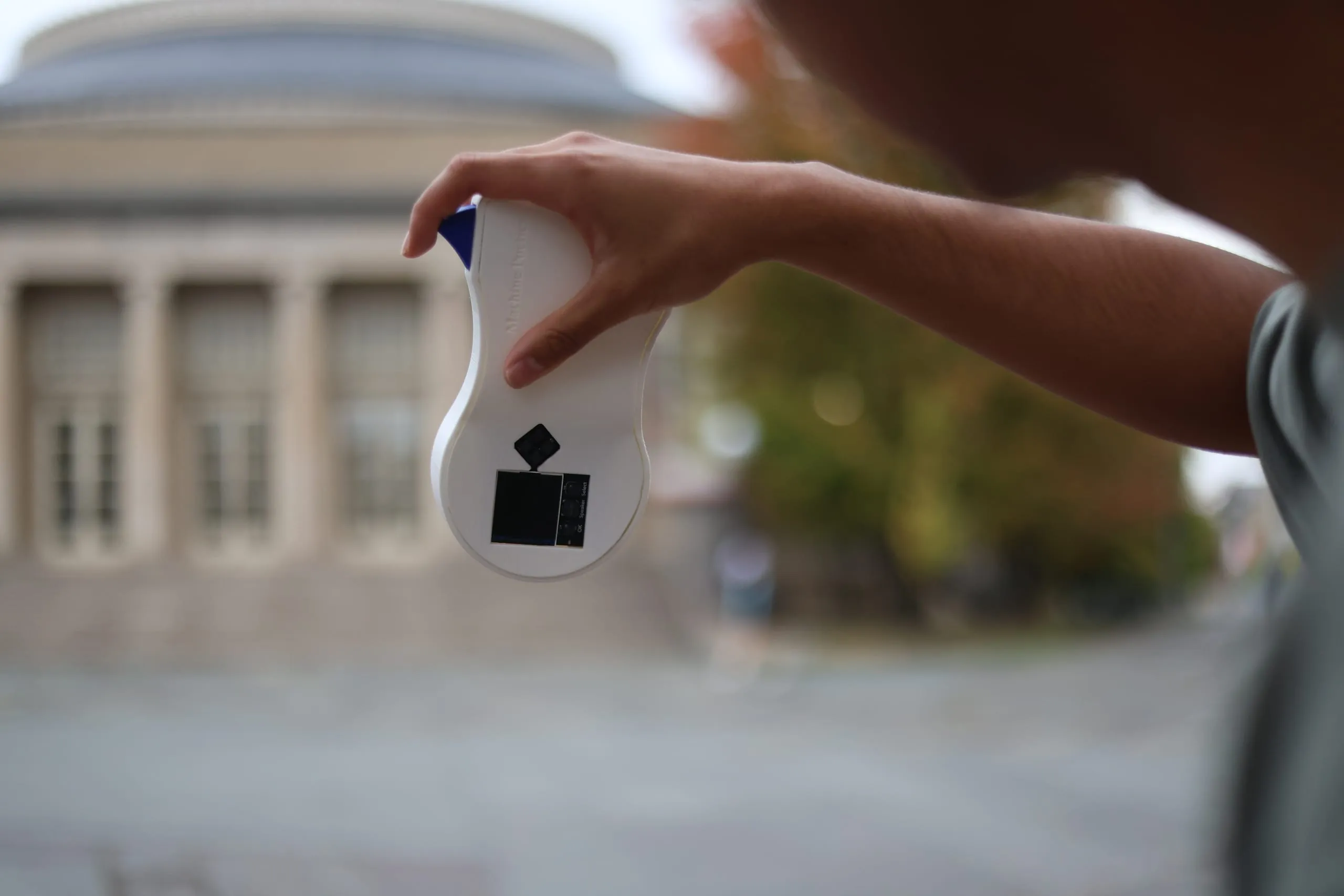
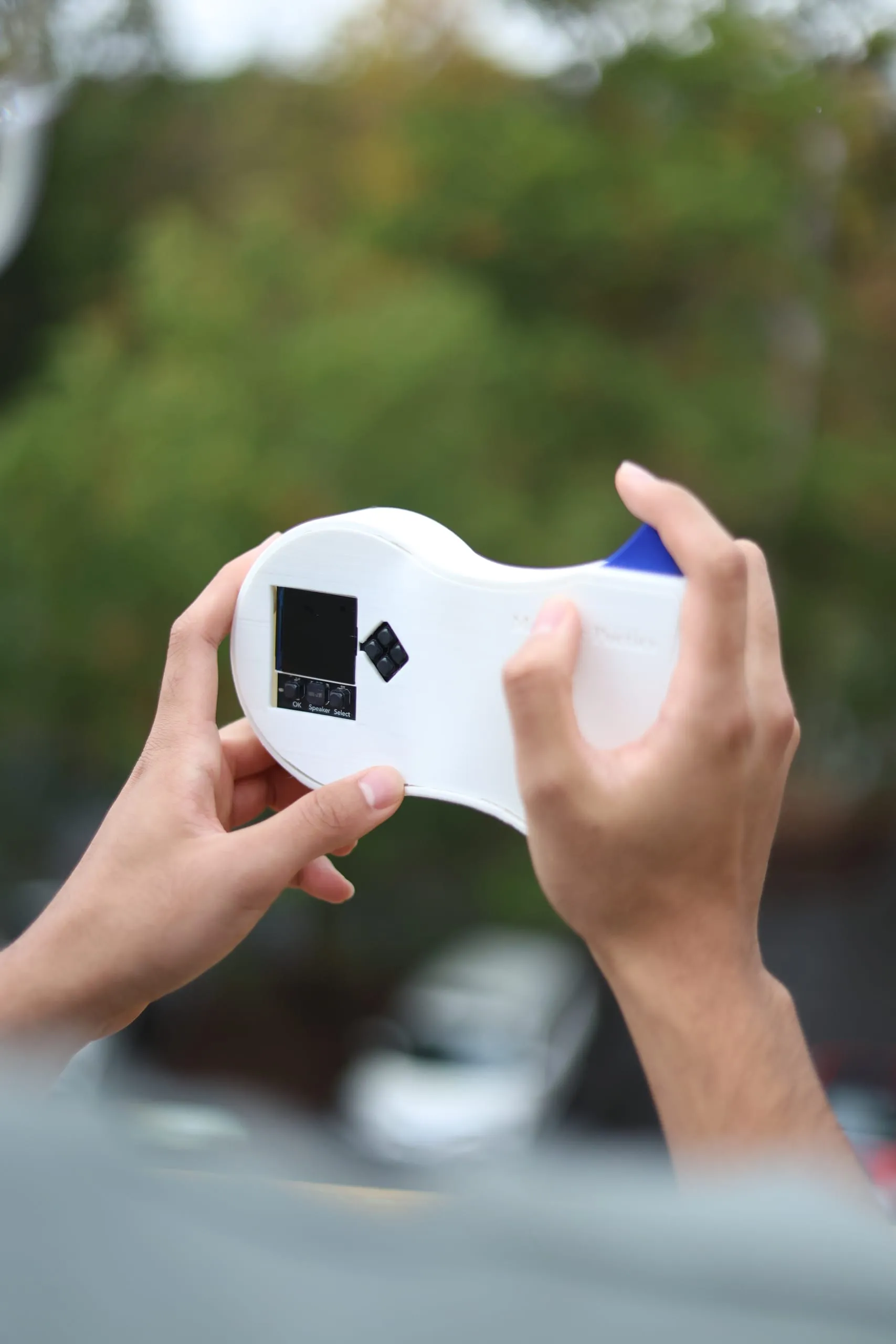
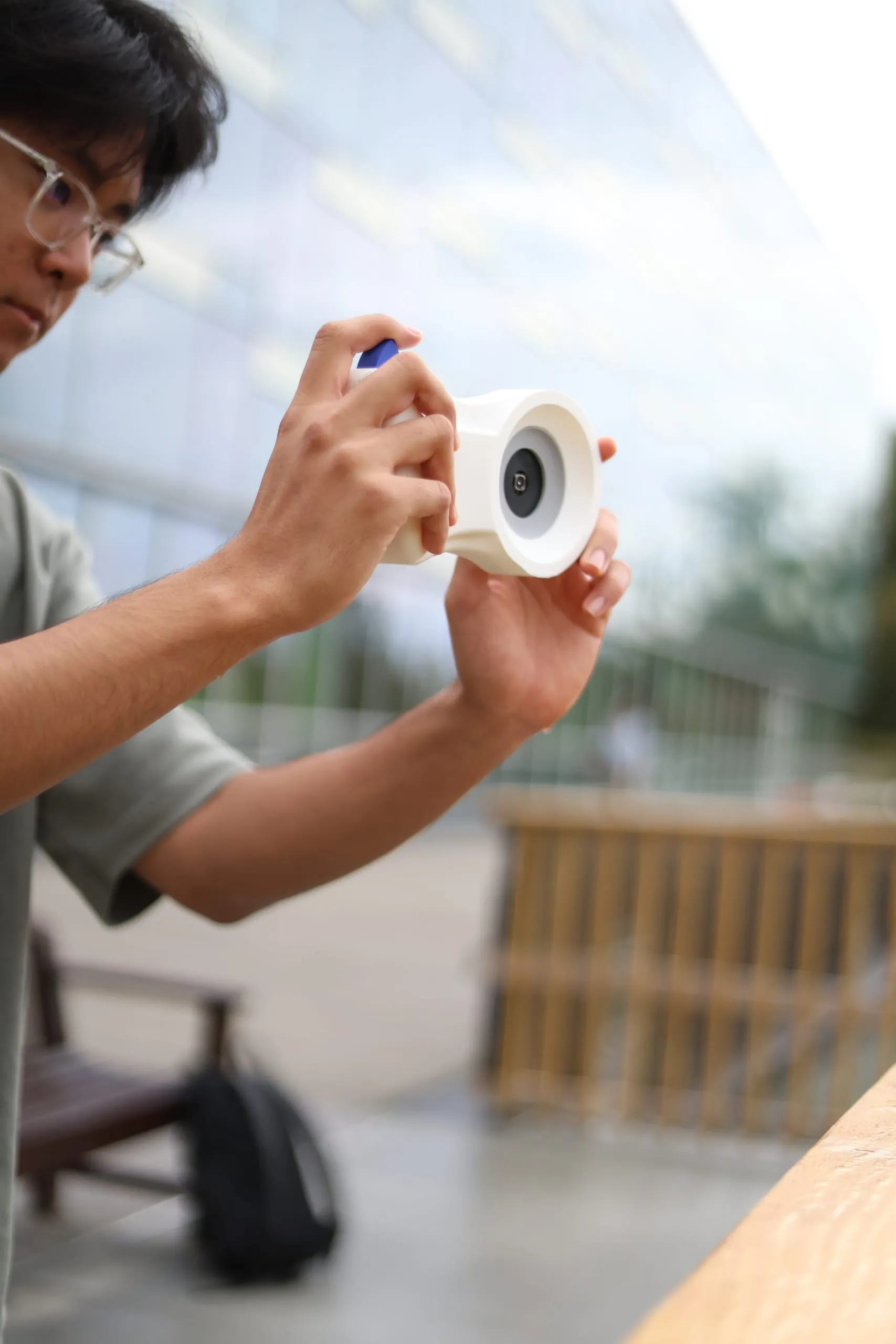
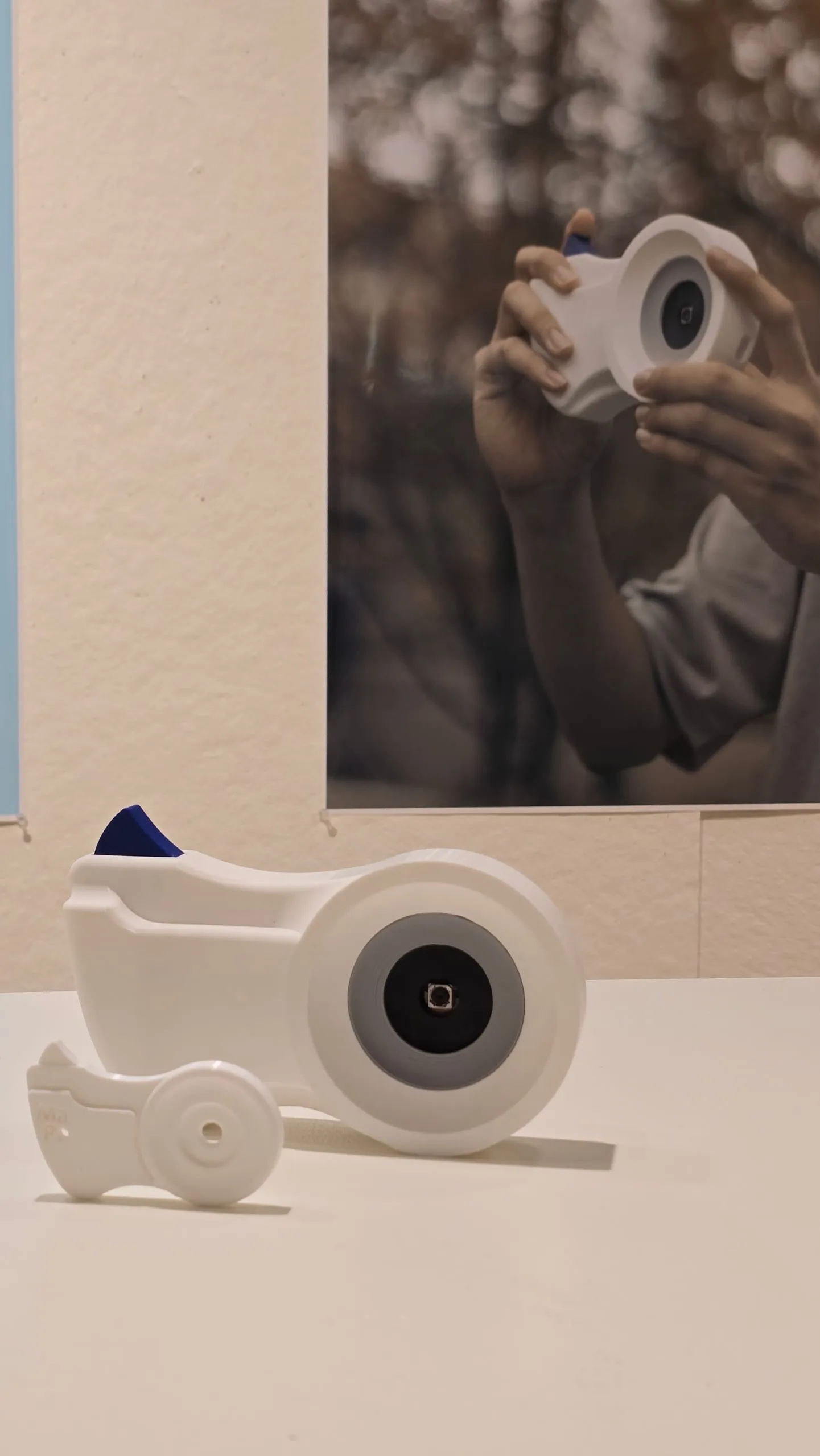
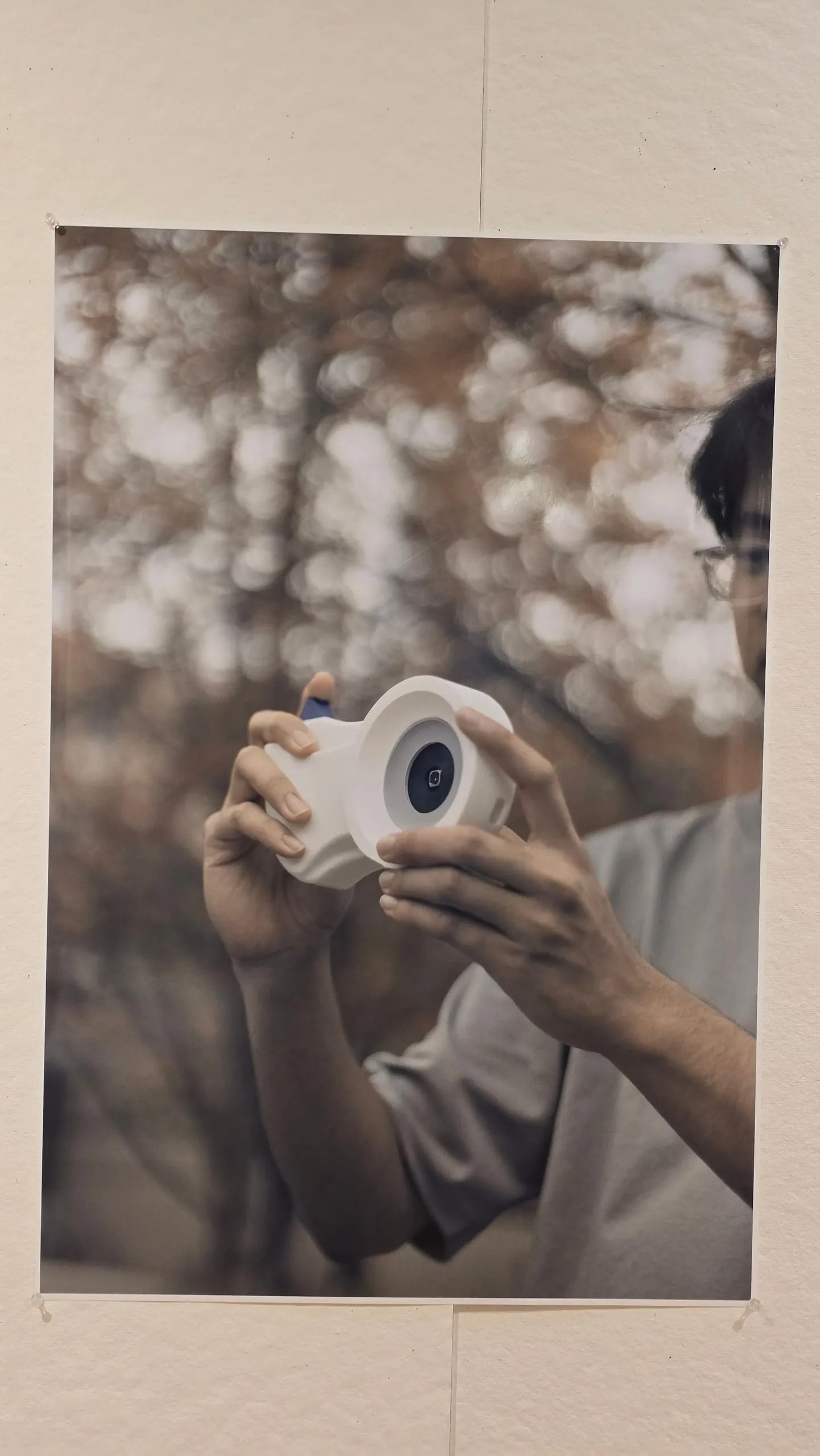
Although Ditto’s name means to agree with what someone has already said, the physical feedback it gives does the opposite. I chose this ironic name for Ditto because it reflects the camera’s counterintuitive interaction with people.
Why create such a thing in the first place? I created Ditto because it is a demonstration of how humans and AI can interact in future environments, especially ones that deviate from today’s conventions. When AI becomes more than a way to optimize processes, it will adopt roles that reach deeper into meaning than just making things more efficient. How can we take on that new exploration, especially in the physical world, where AI is a nascent field, and in creative contexts, where it isn’t fully accepted?
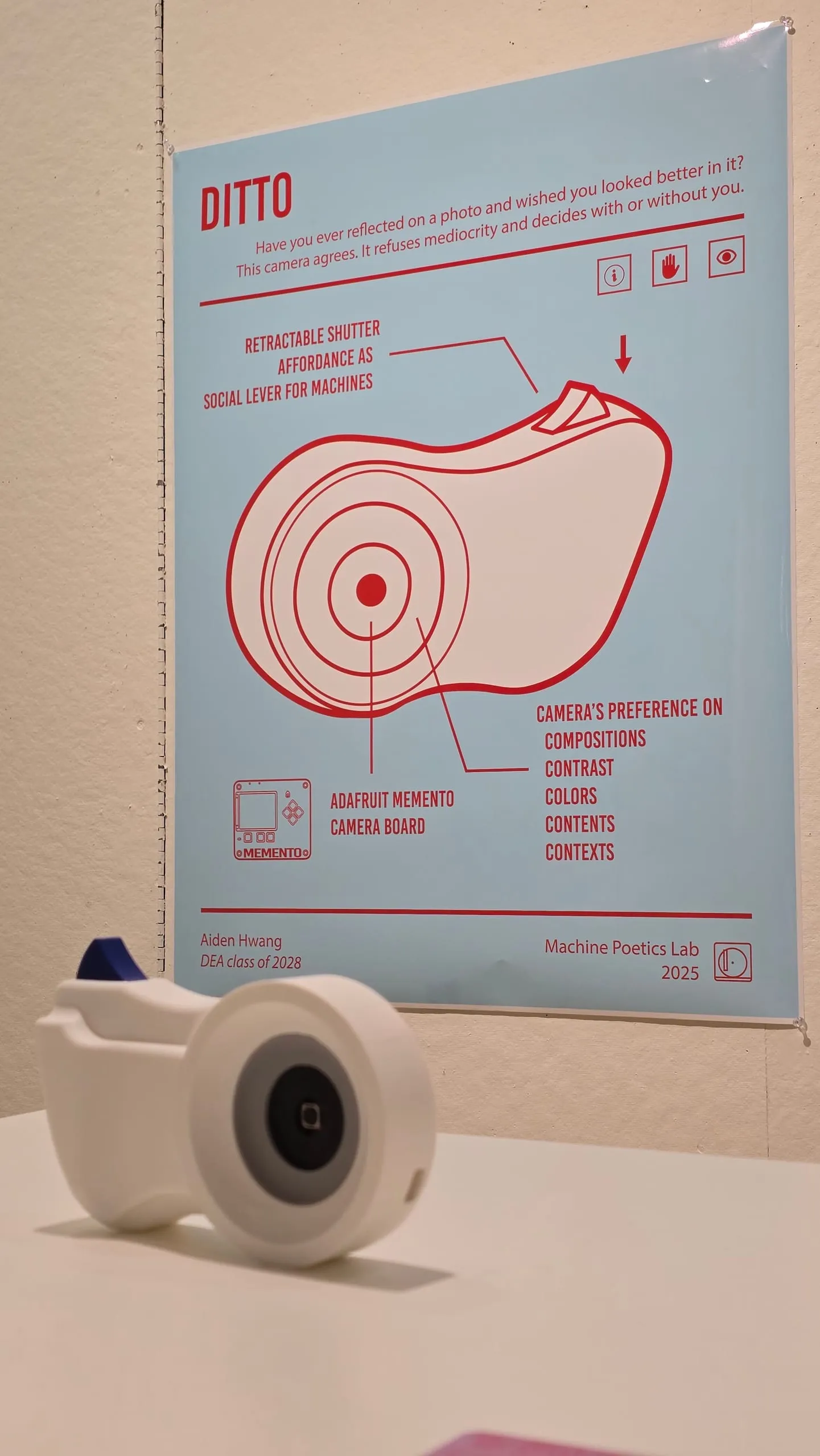
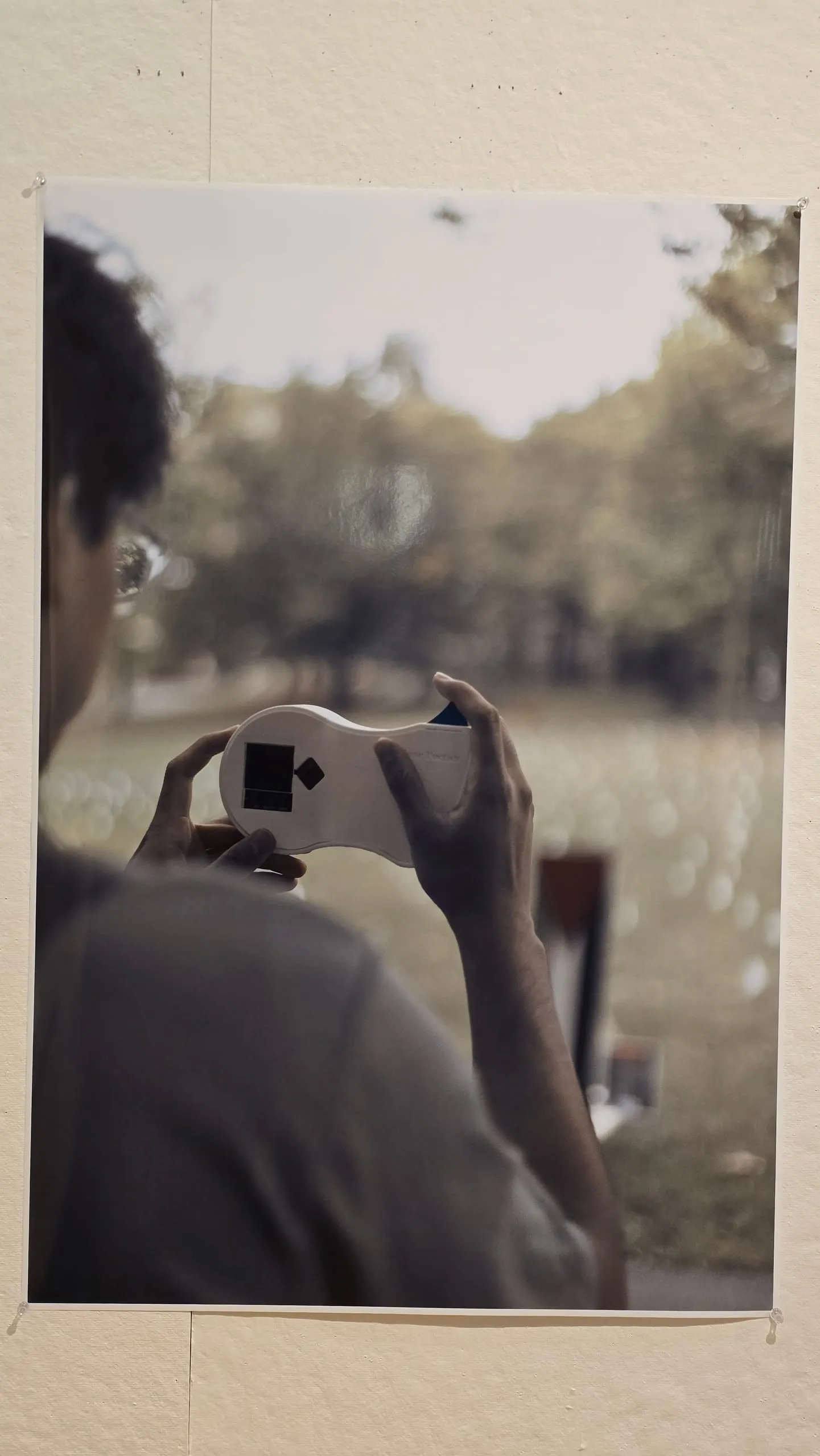
I used an Adafruit Memento camera module, servo motor, linear potentiometer, and torsion spring for Ditto’s internal mechanics.
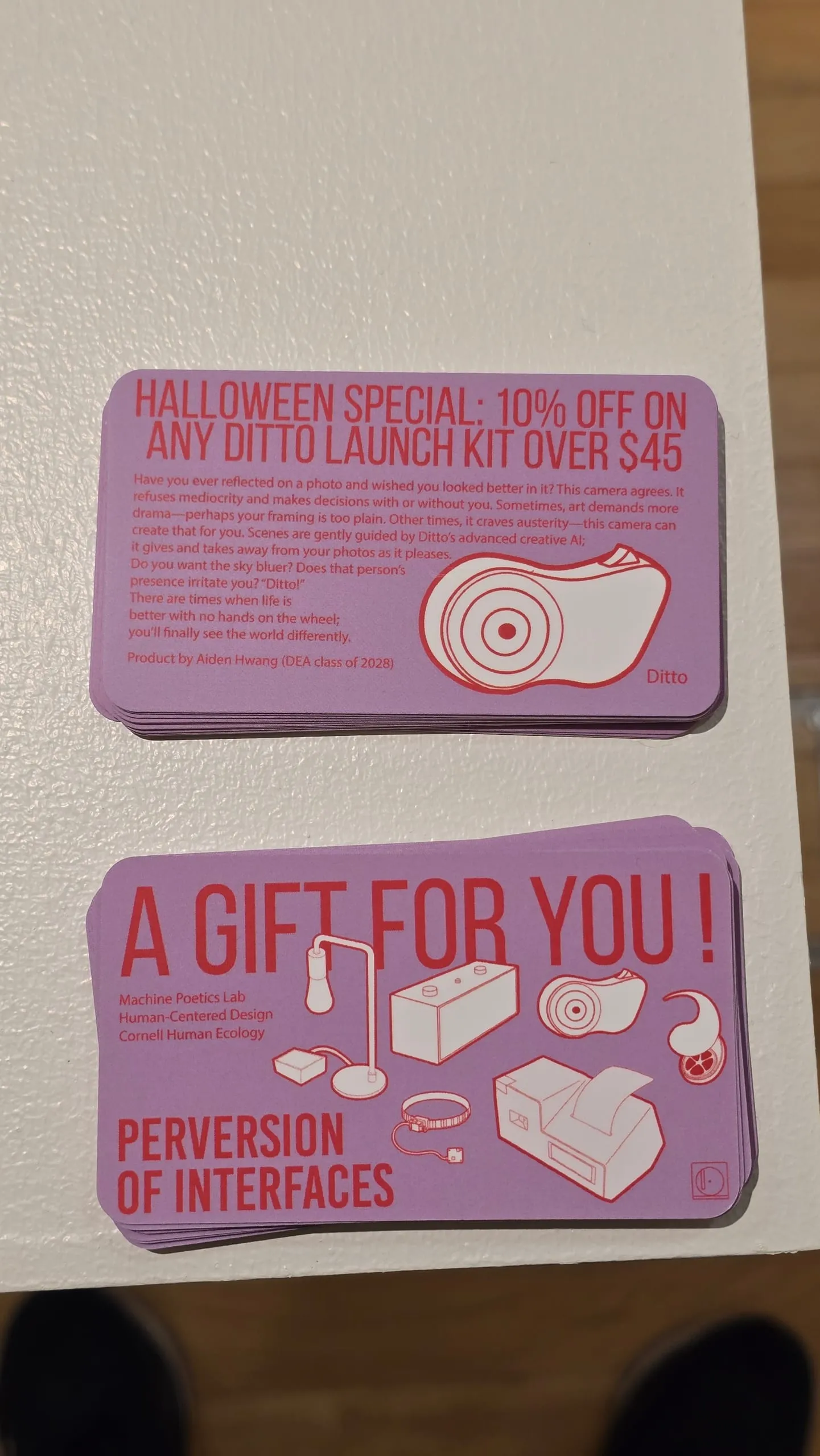
Ditto was presented in a marketable design image in the Perversion of Interfaces exhibition, where it was “advertised” alongside other objects that create thought-provoking interactions with their users.
Ditto cannot perform a real-time, in-depth creative analysis due to technological limitations, but it has used simpler operations for demonstrations.
Rough Drafts
Click each image to enlargeTap each image to enlarge
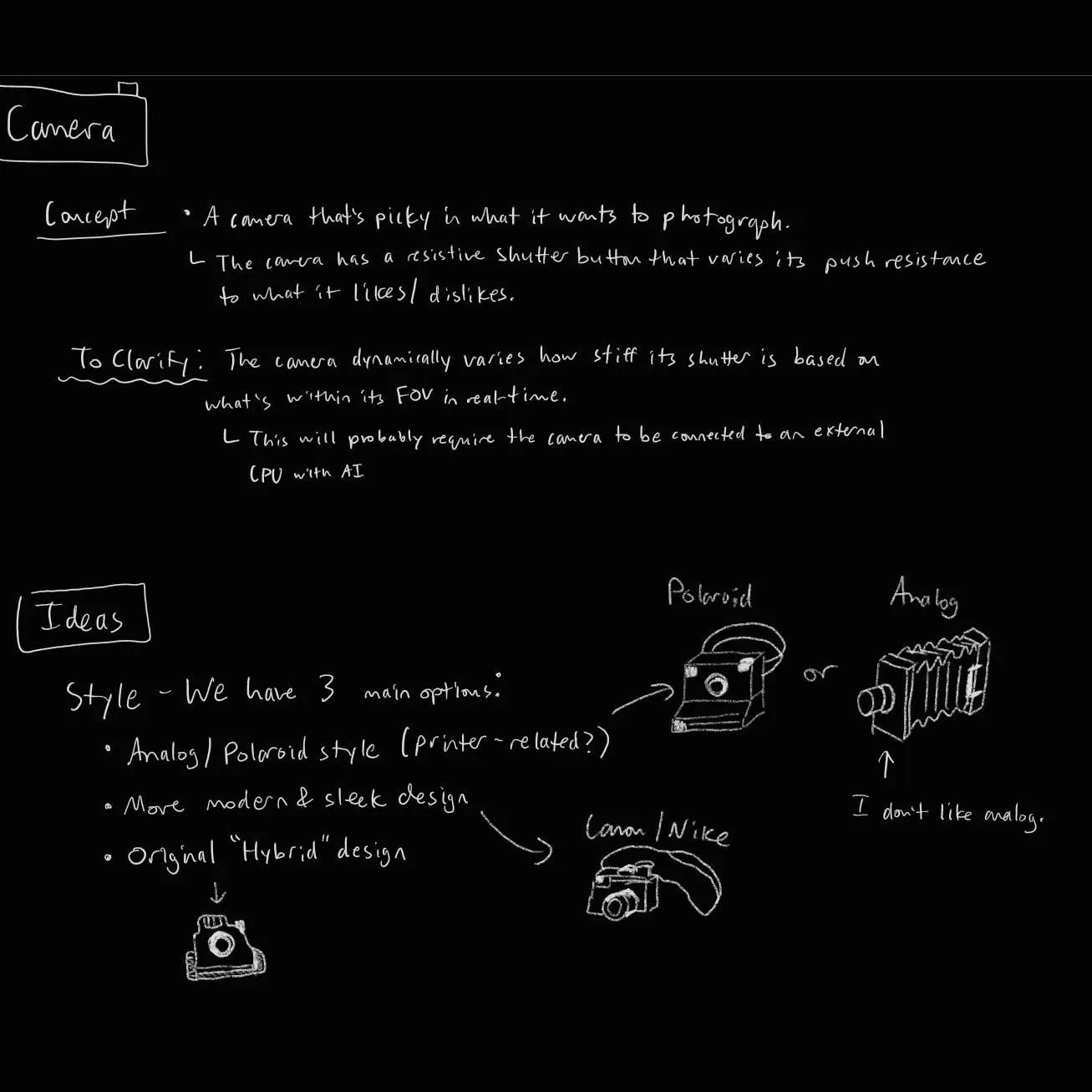
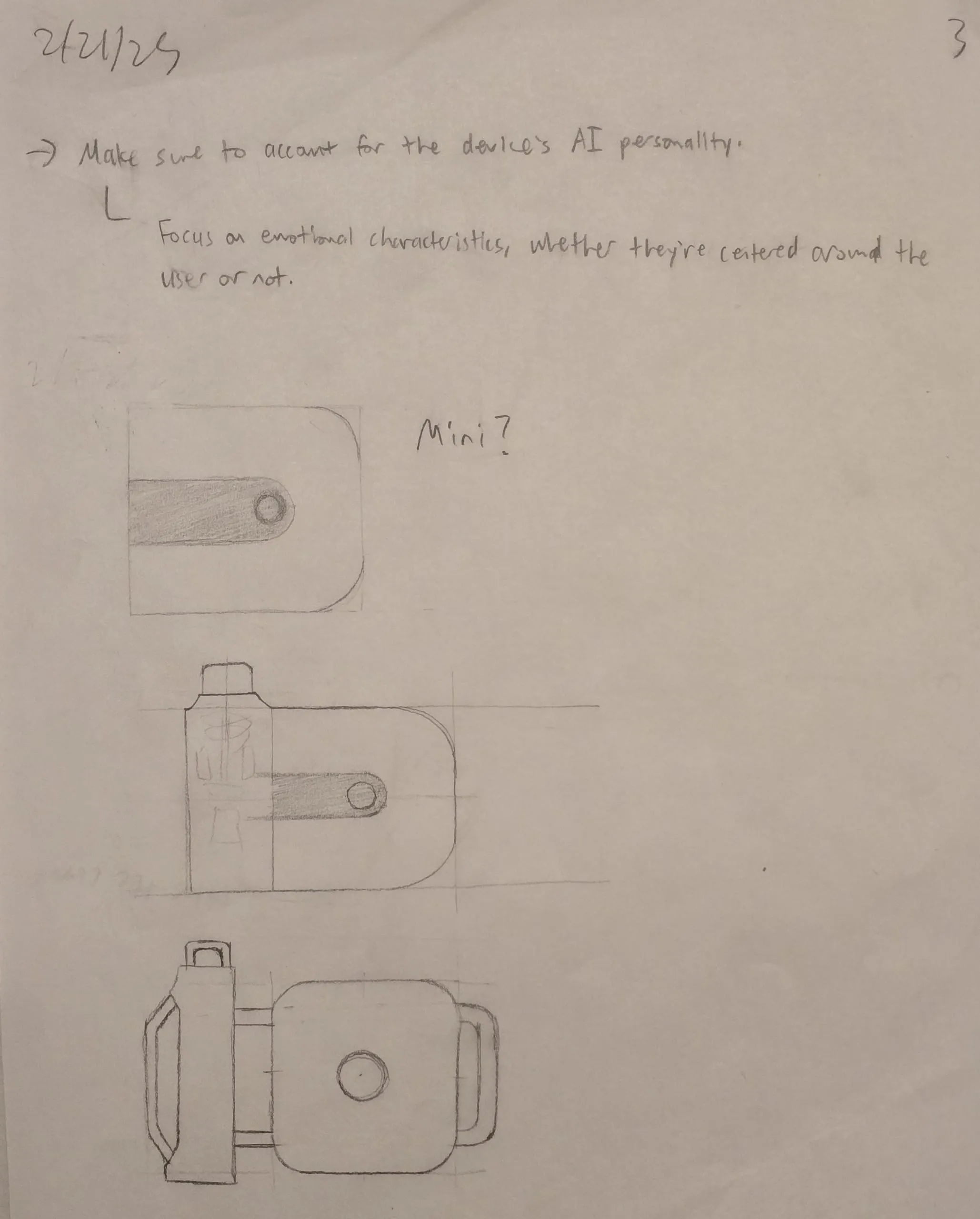
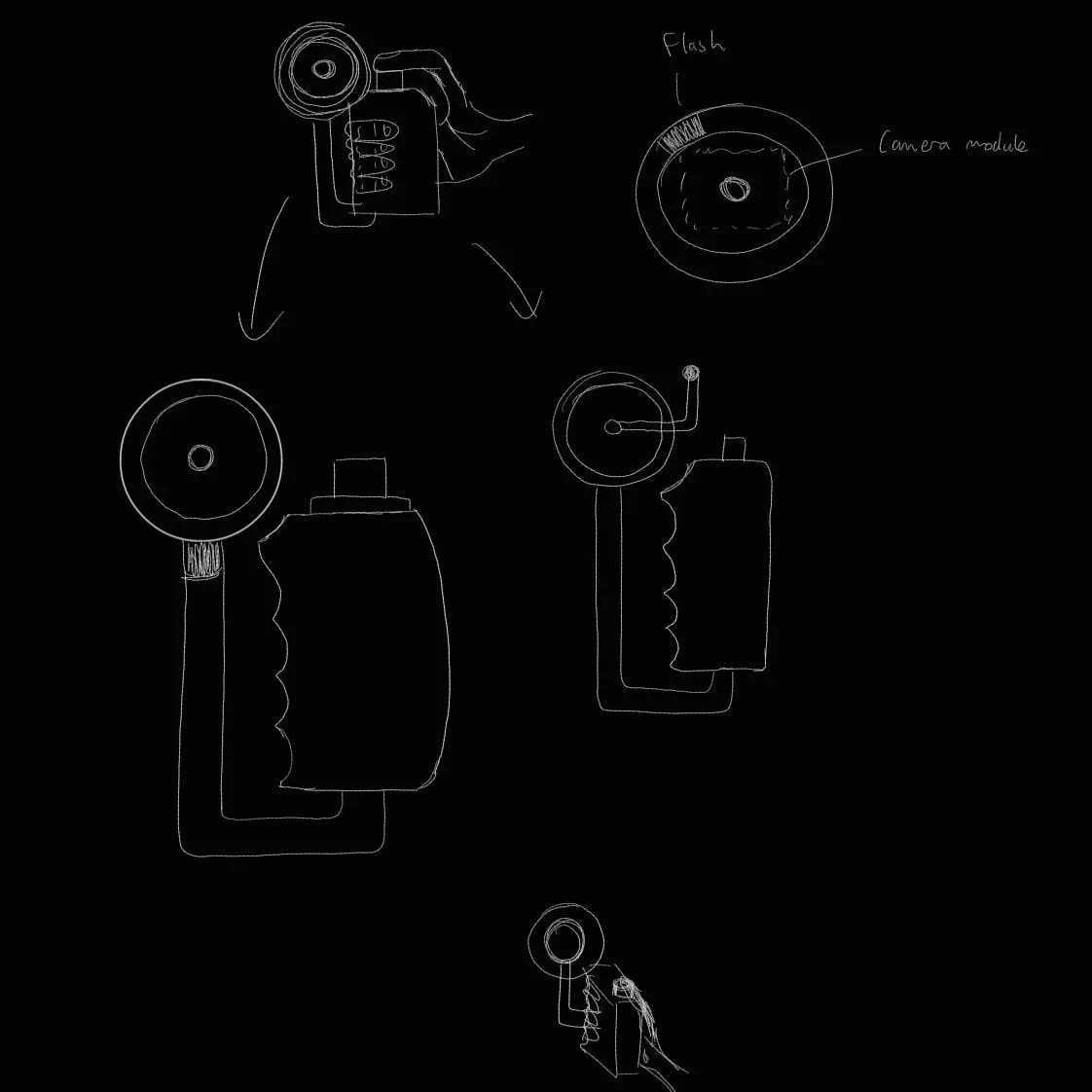
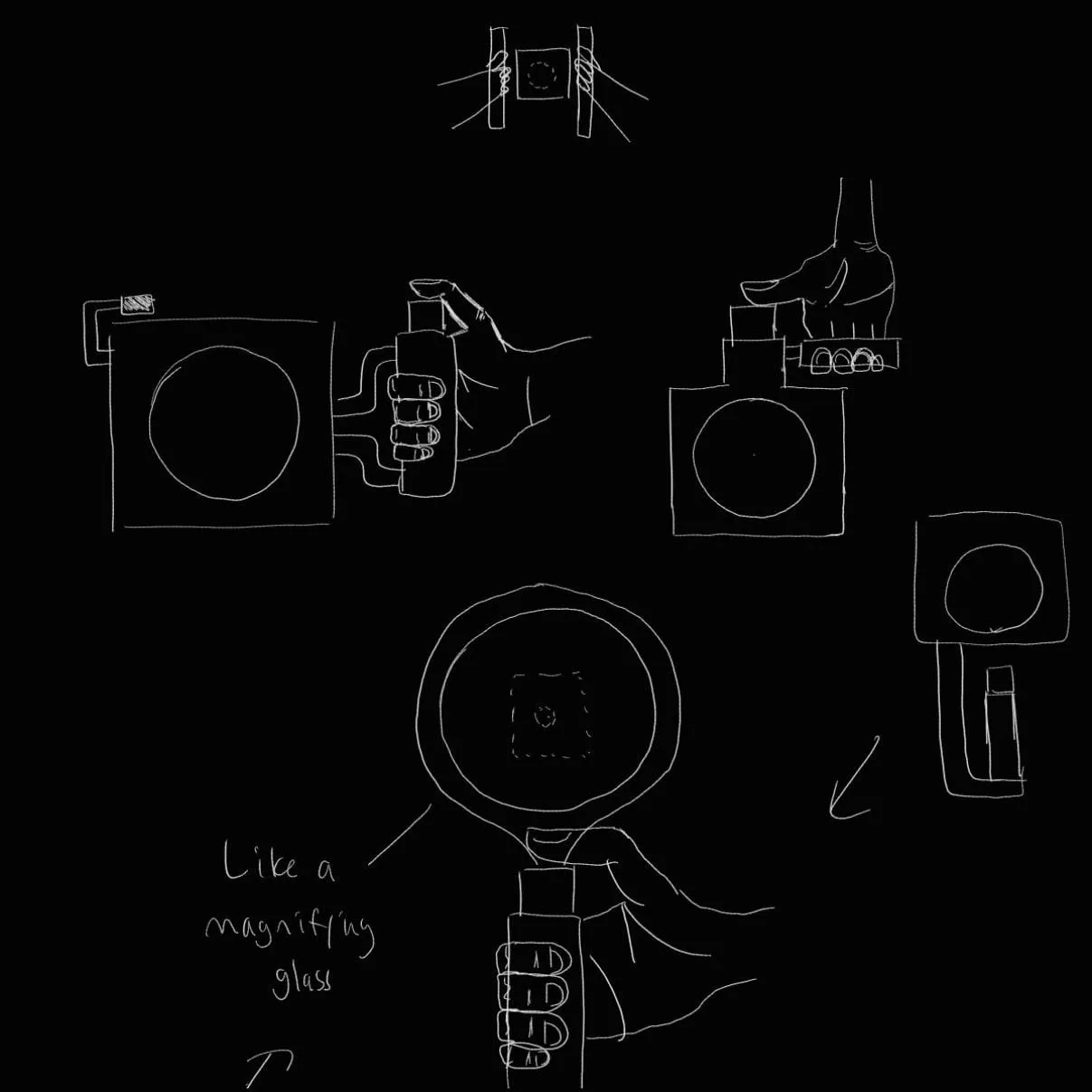
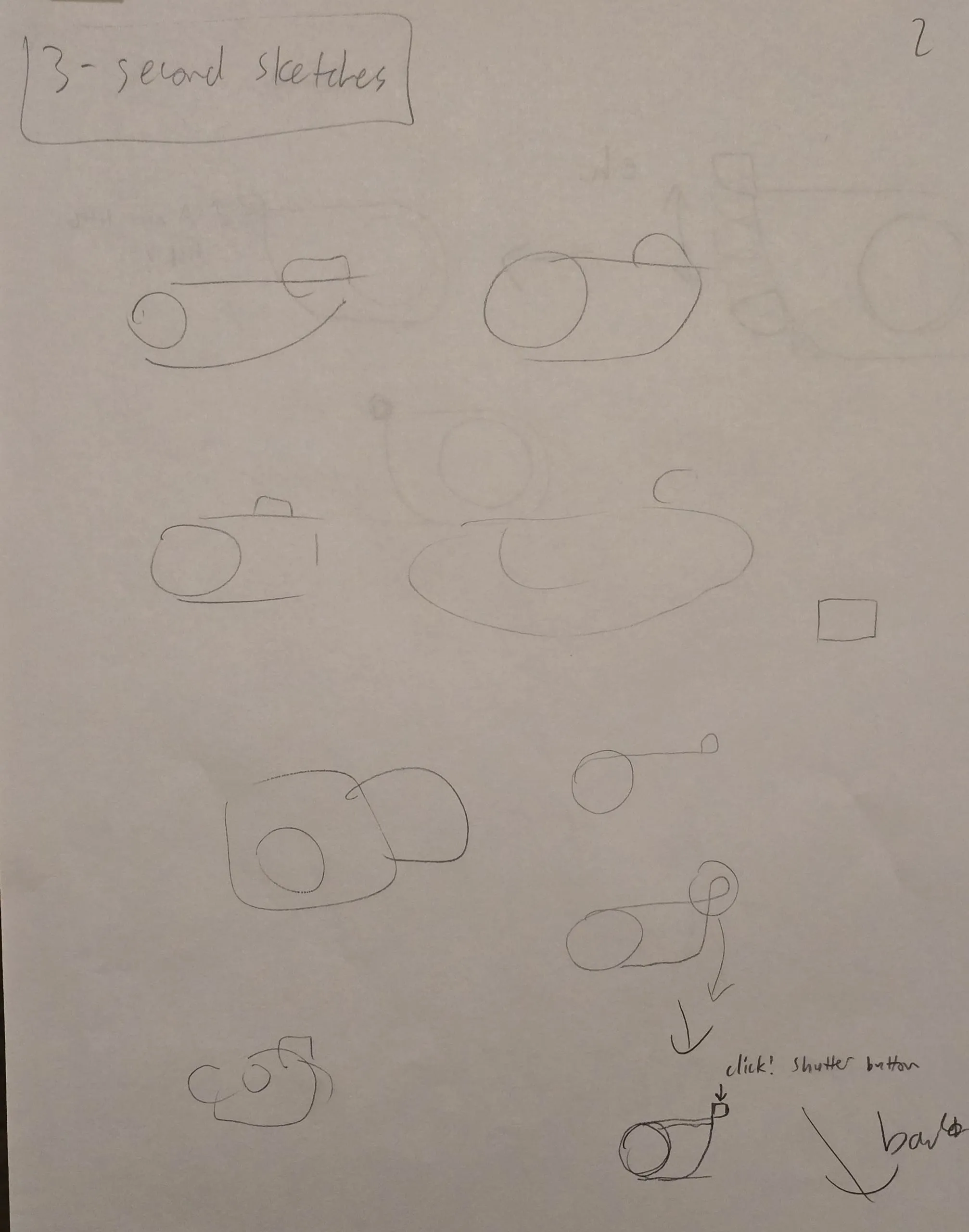
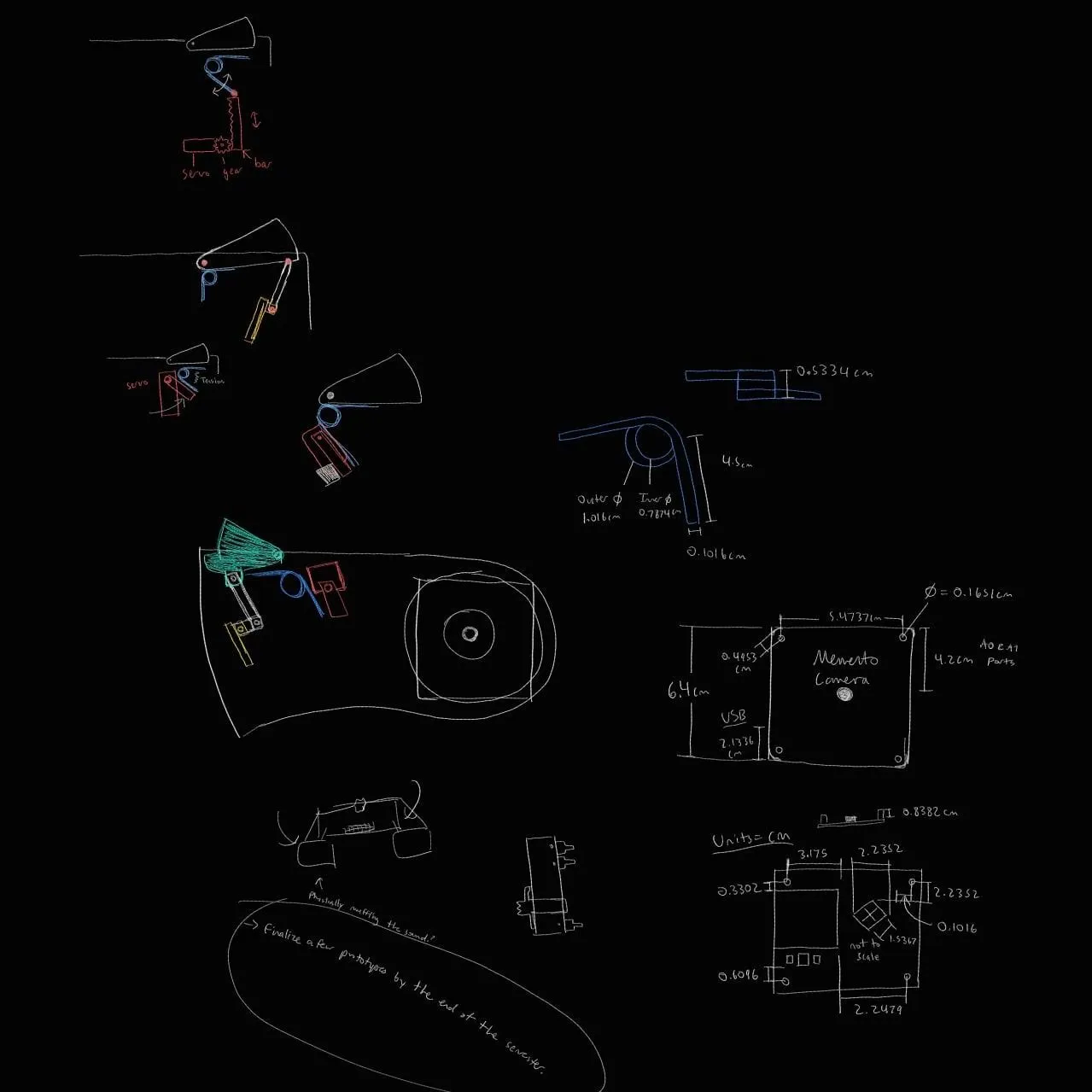
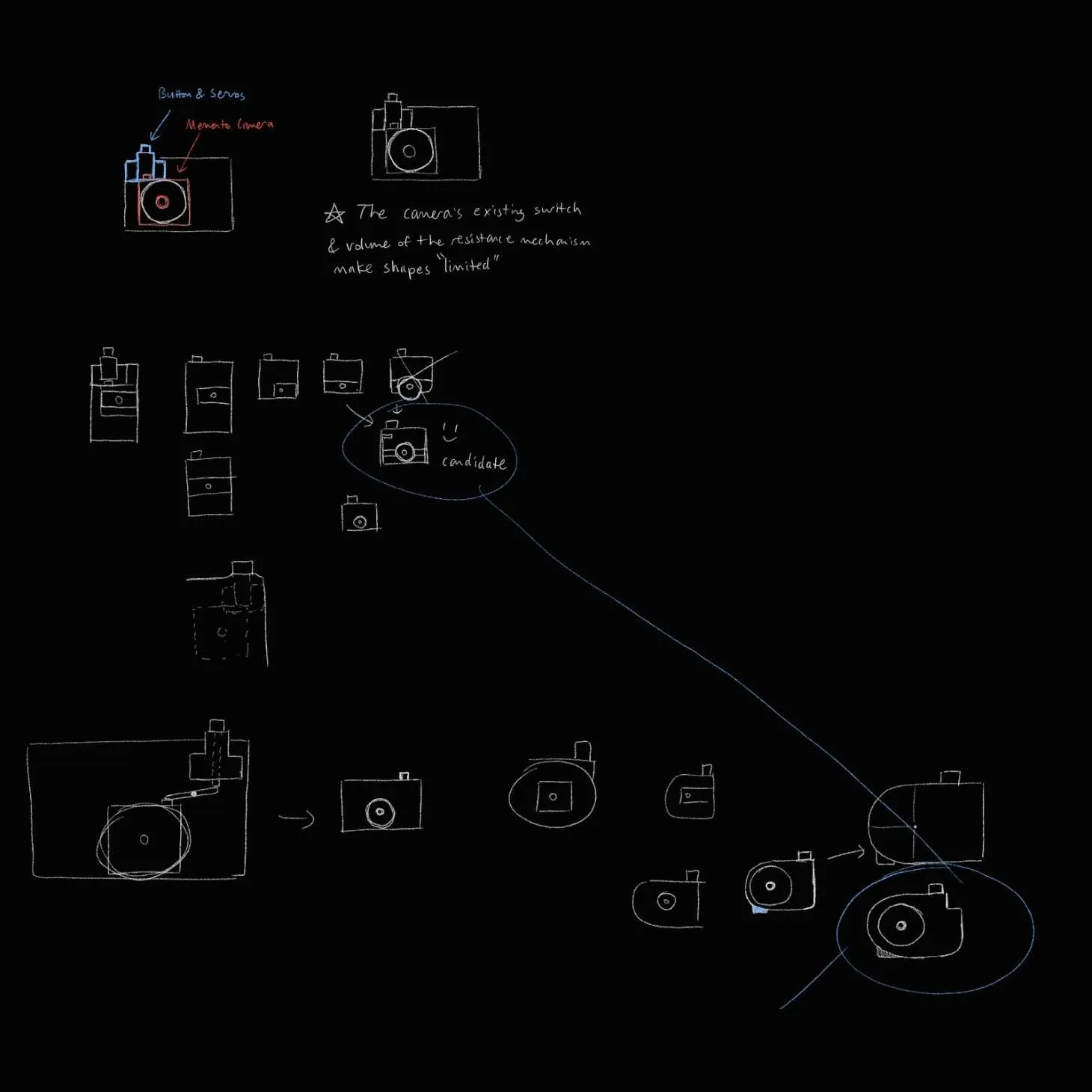
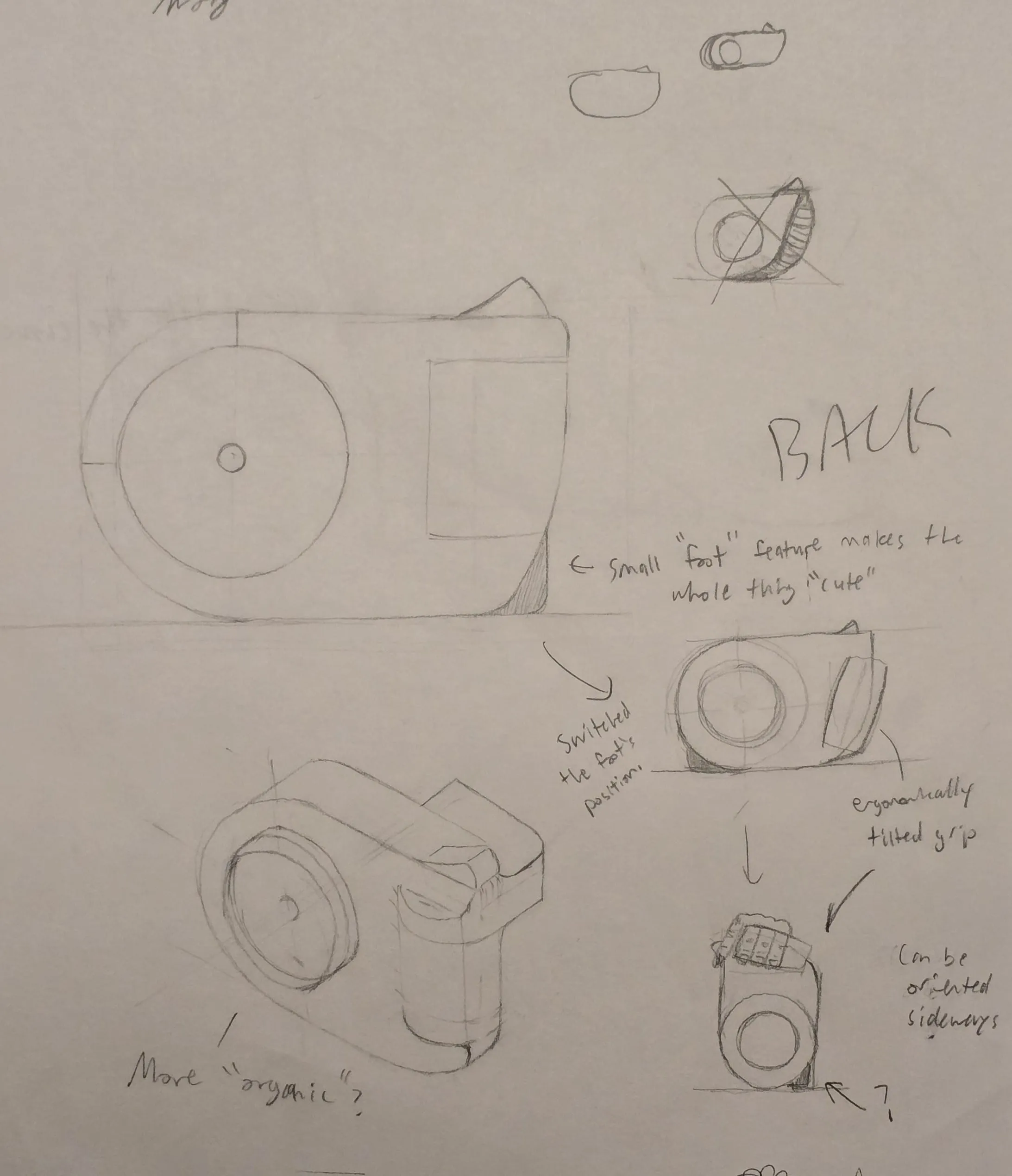
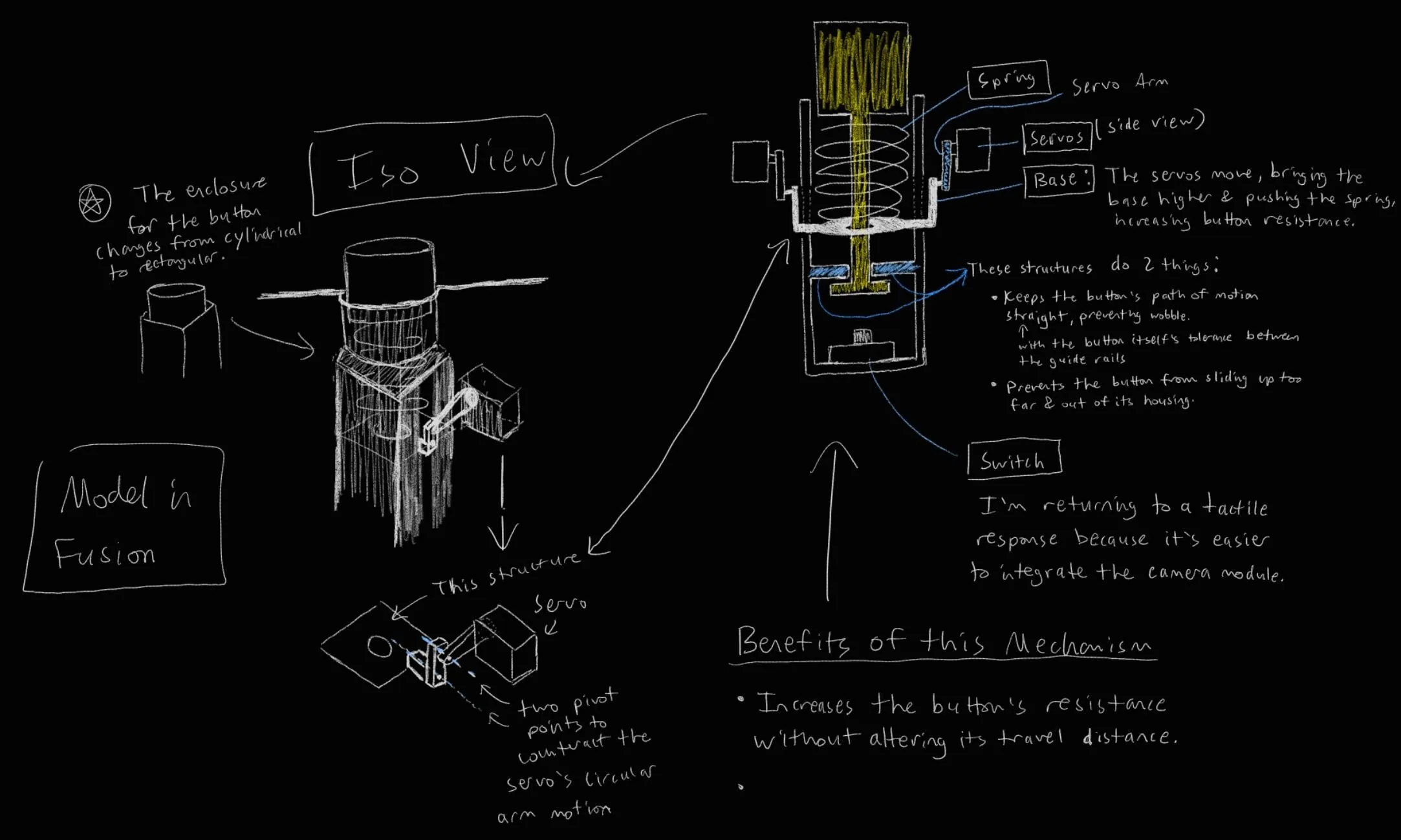
My original idea for Ditto was to have the camera vary the physical resistance of its shutter button according to how much / how little it liked a potential photo.
I switched to the current retracting shutter design instead because it’s a stronger visual symbol of the camera’s intent being brought into the tangible world.
3D Modeling
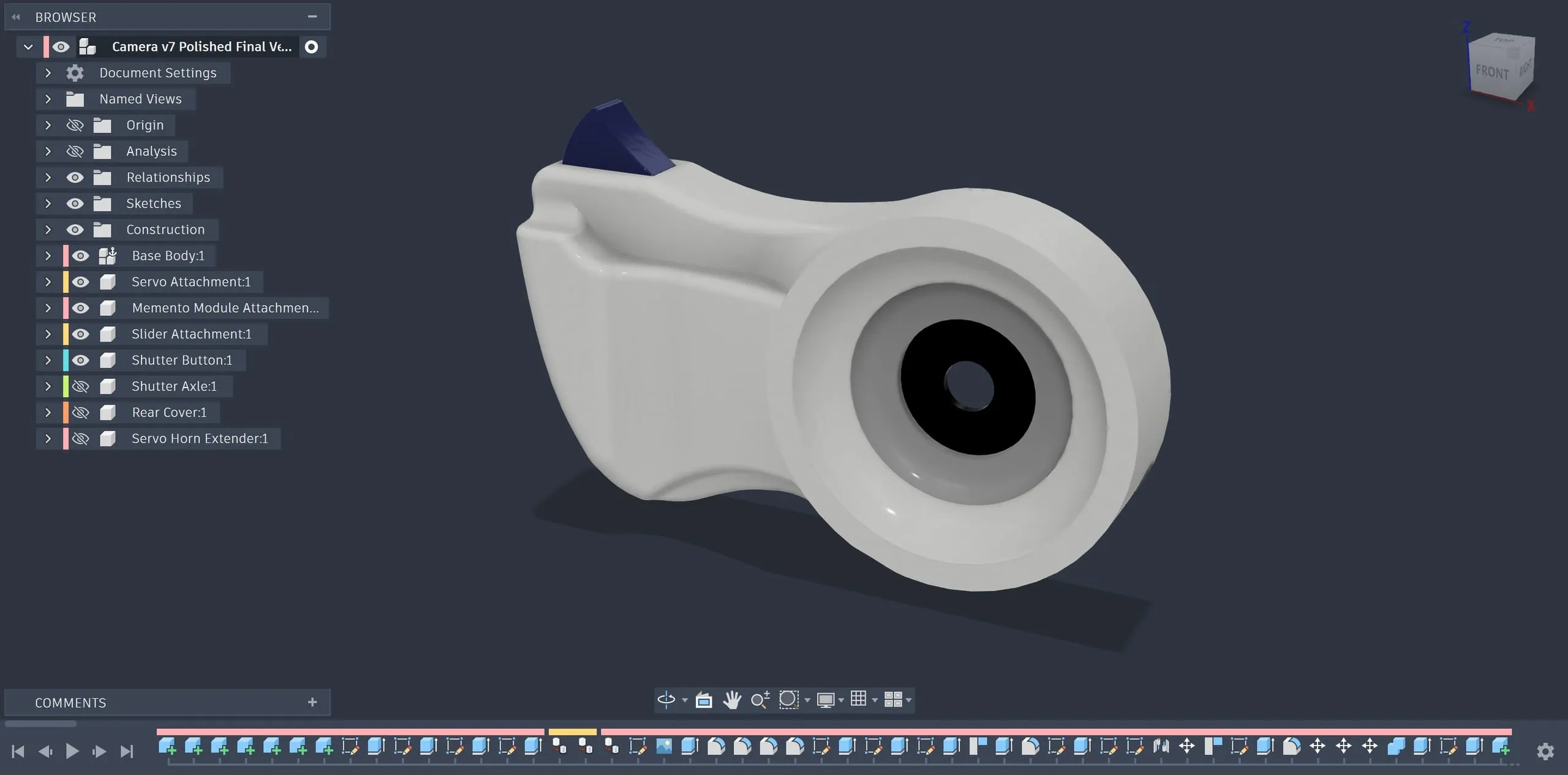
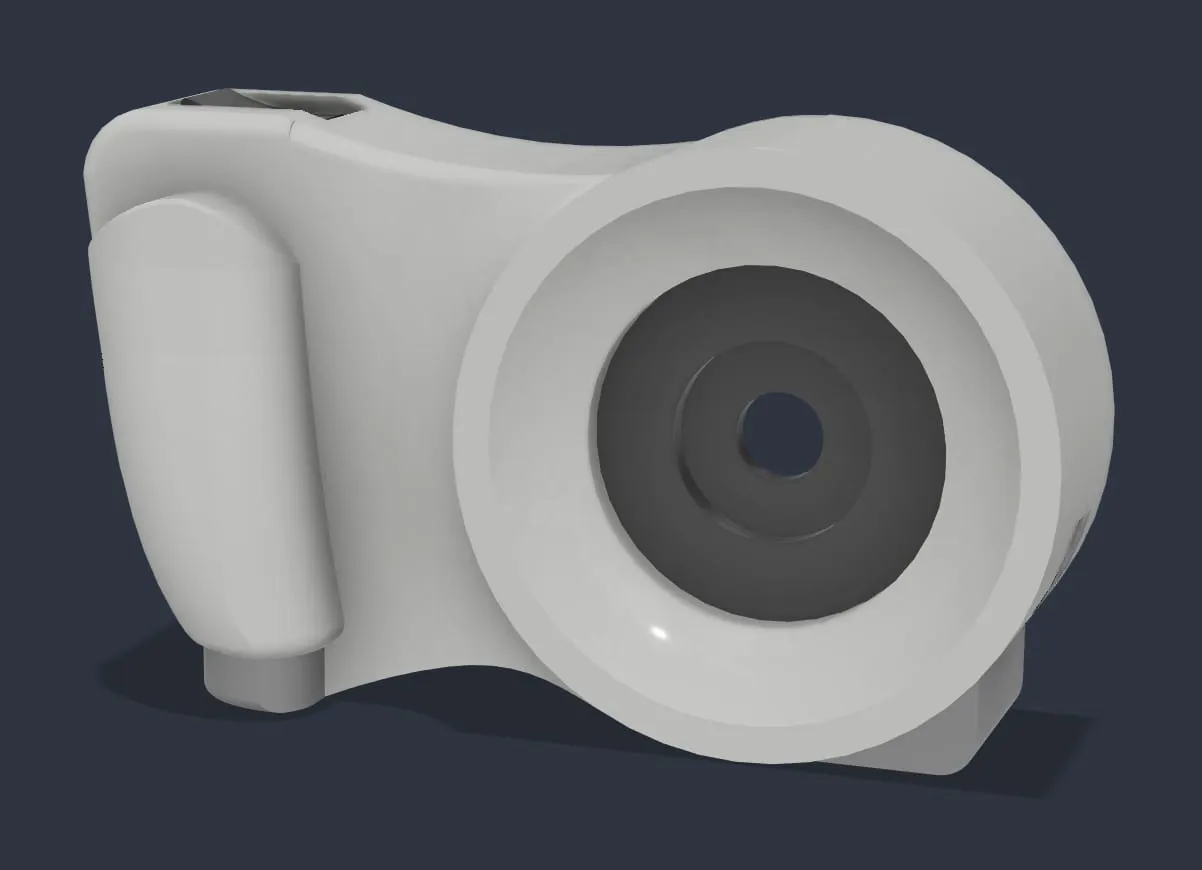
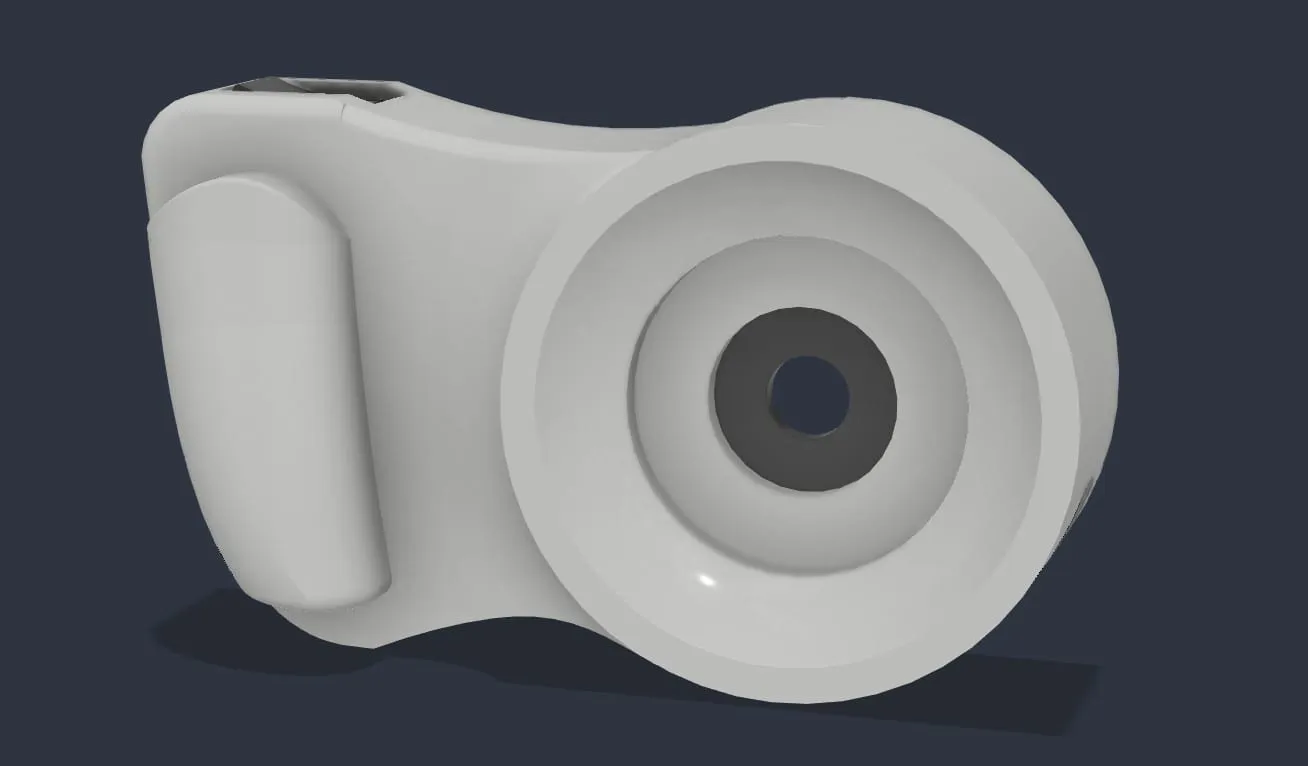
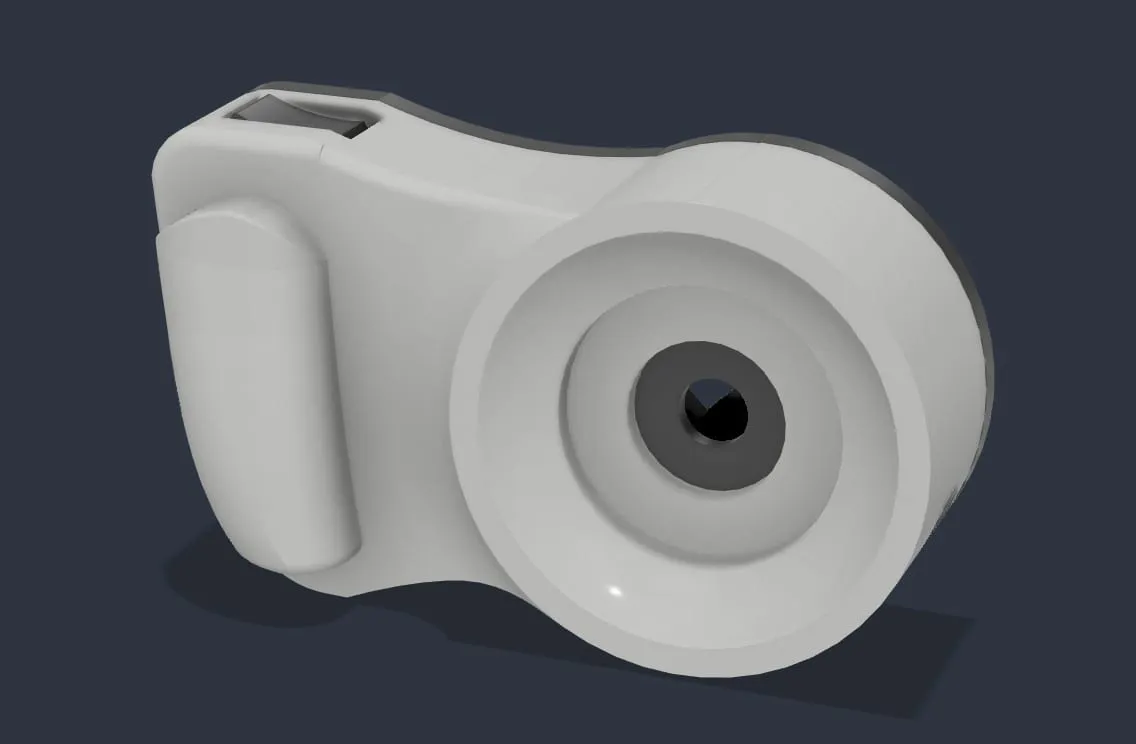
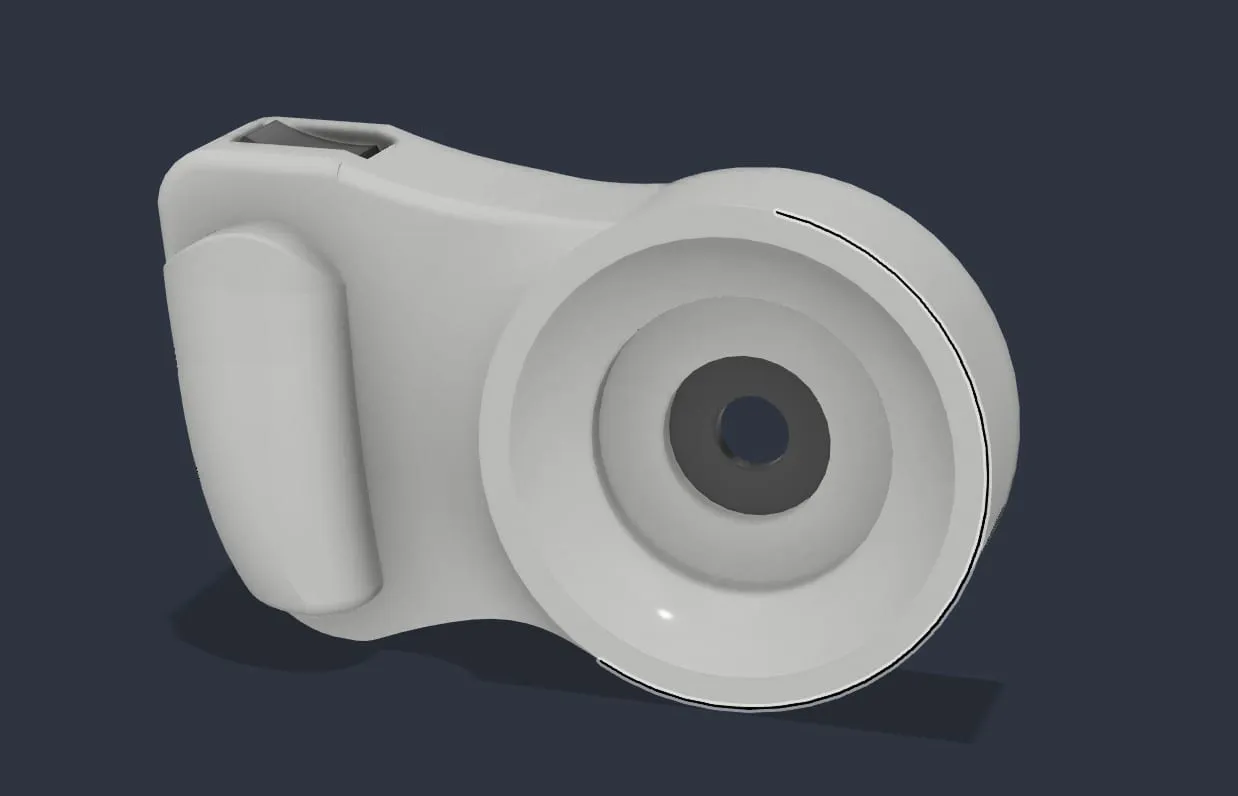
The final form, modeled to contain various embedded electronics and 3D printed to be physically displayed.