Shutter Vision
Three cameras that challenge the norms of photography
- Year
- 2026
- Role
- Designer and builder
- Tools
- Autodesk Fusion, 3D printing, AI image pipeline
- Results
- Work in progress
- Year
- 2026
- Role
- Designer and builder
- Tools
- Autodesk Fusion, 3D printing, AI image pipeline
- Results
- Work in progress
This project is a work in progress; it will update to follow my development. I have it on alcor.works because I want to share my ideation process and recent developments.
Shutter Vision is a collection of three cameras that each explore a different “view” of the creative process. Each camera uses image generation to challenge one established norm of photography, bringing those intangible interpretations to the user through a unique physical form and interaction.
The Synergy
Each camera has a different effect on the photographer’s perspective: one takes a moral view, another changes direct perspective, and the third speculates across time. Together, their metaphors make a statement about the different ways AI can be given agency in the creative process.
The point of this project
I want this project to show how design can connect people to AI, using the creative process as a medium: a field where bringing AI into HCI is both new and critical compared to traditional STEM applications.
Camera 1Exposure
Concept
A camera that either idealizes the subject or reveals the subject’s hidden traits.
Physical Design
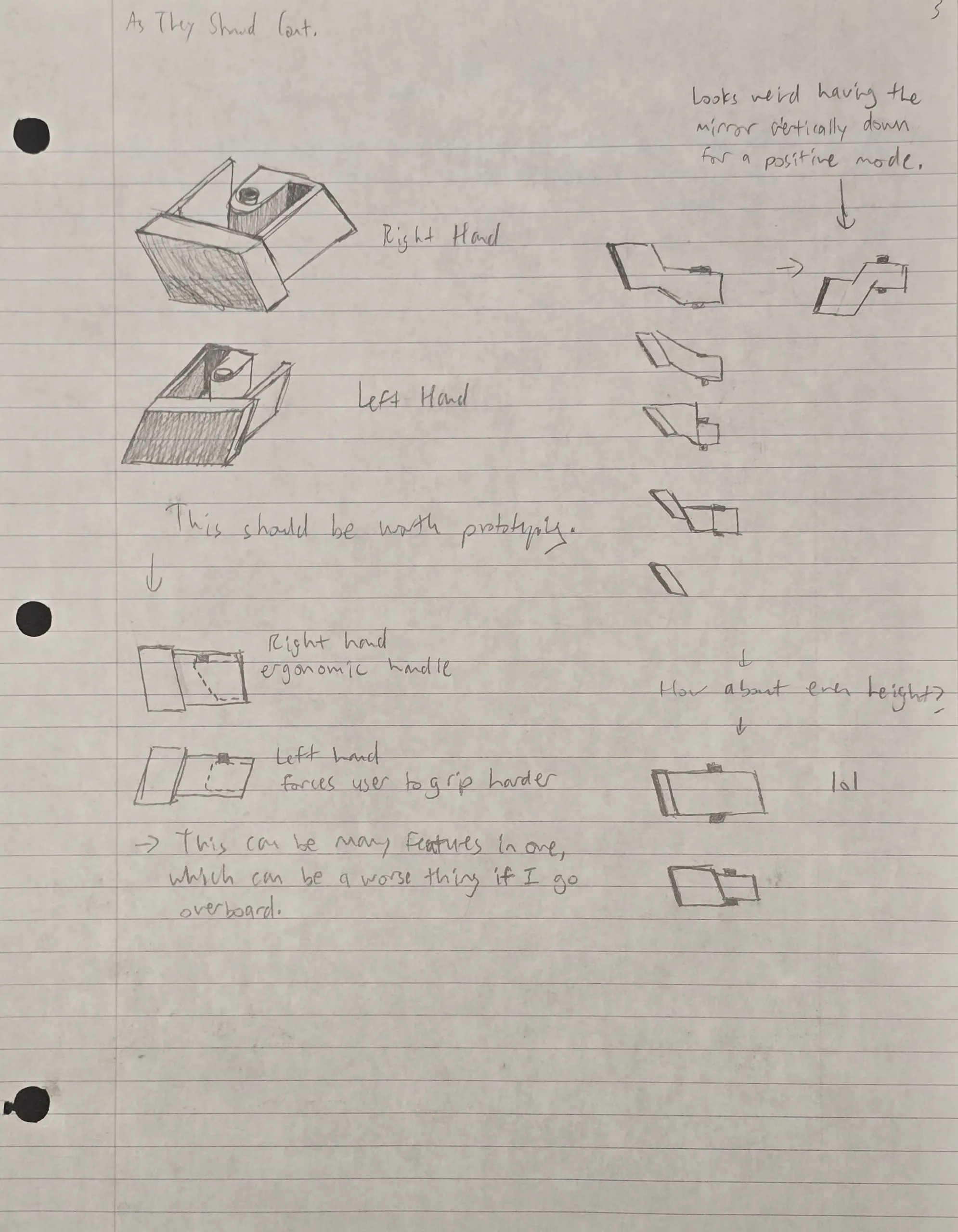
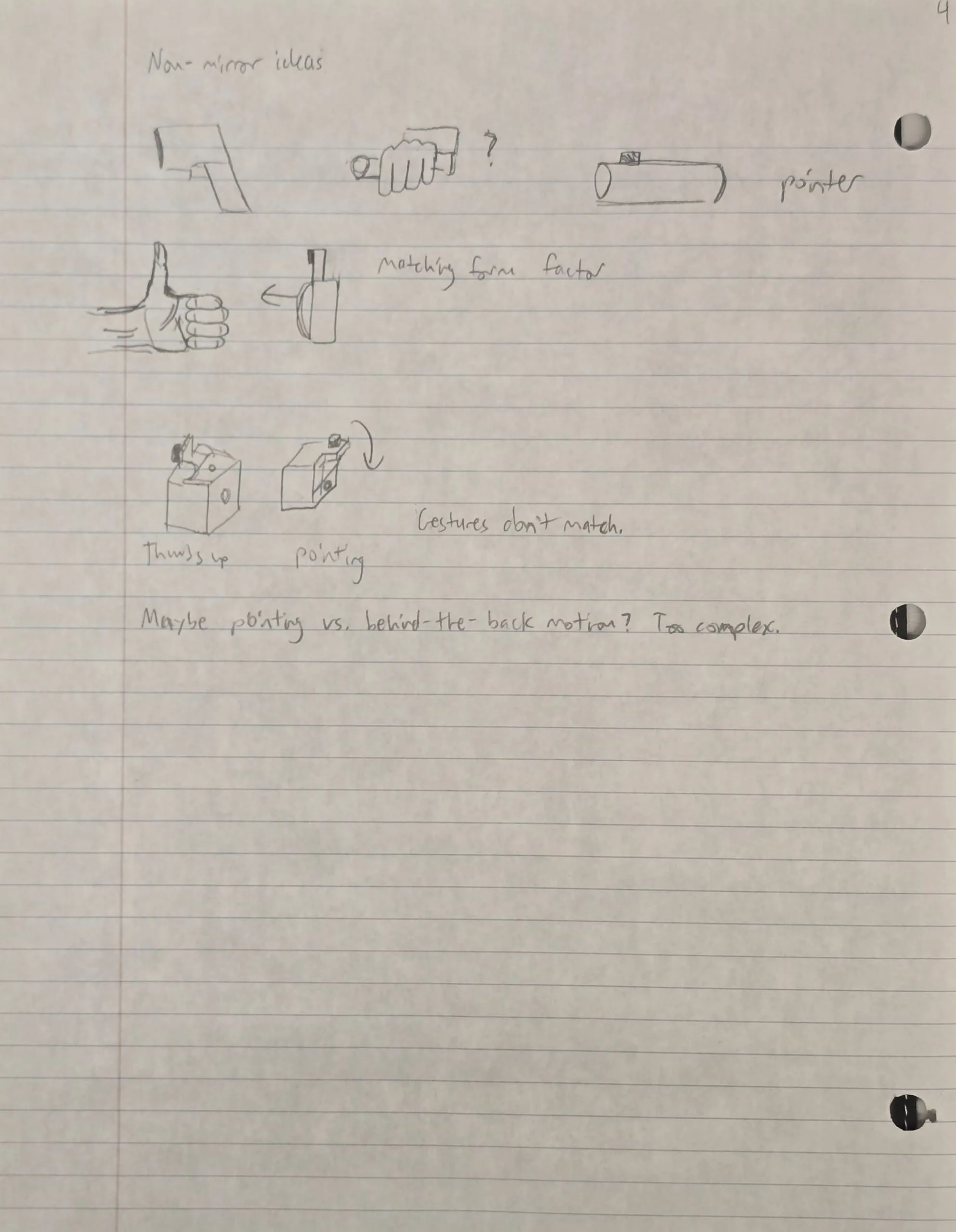
A camera with a grip and shutter button on both of its sides. The left grip is barebones, revealing the wires inside the device; the right grip is solid and ergonomic. The right shutter creates an idealized view of the subject, while the left reveals their hidden traits. The user’s hands carry the metaphor in the form of the deception and secrets of the left hand balanced by the righteousness and honesty of the right.
Implication
The name “Exposure” is a play on words by being both a photography term and an indication of the camera’s function. The camera challenges the moral norm of photography by displaying how AI judgment, which relies on biased training data, can impact human-computer interaction. Exposure explores the question of how much agency an AI should have when it interacts with its physical environment and users.
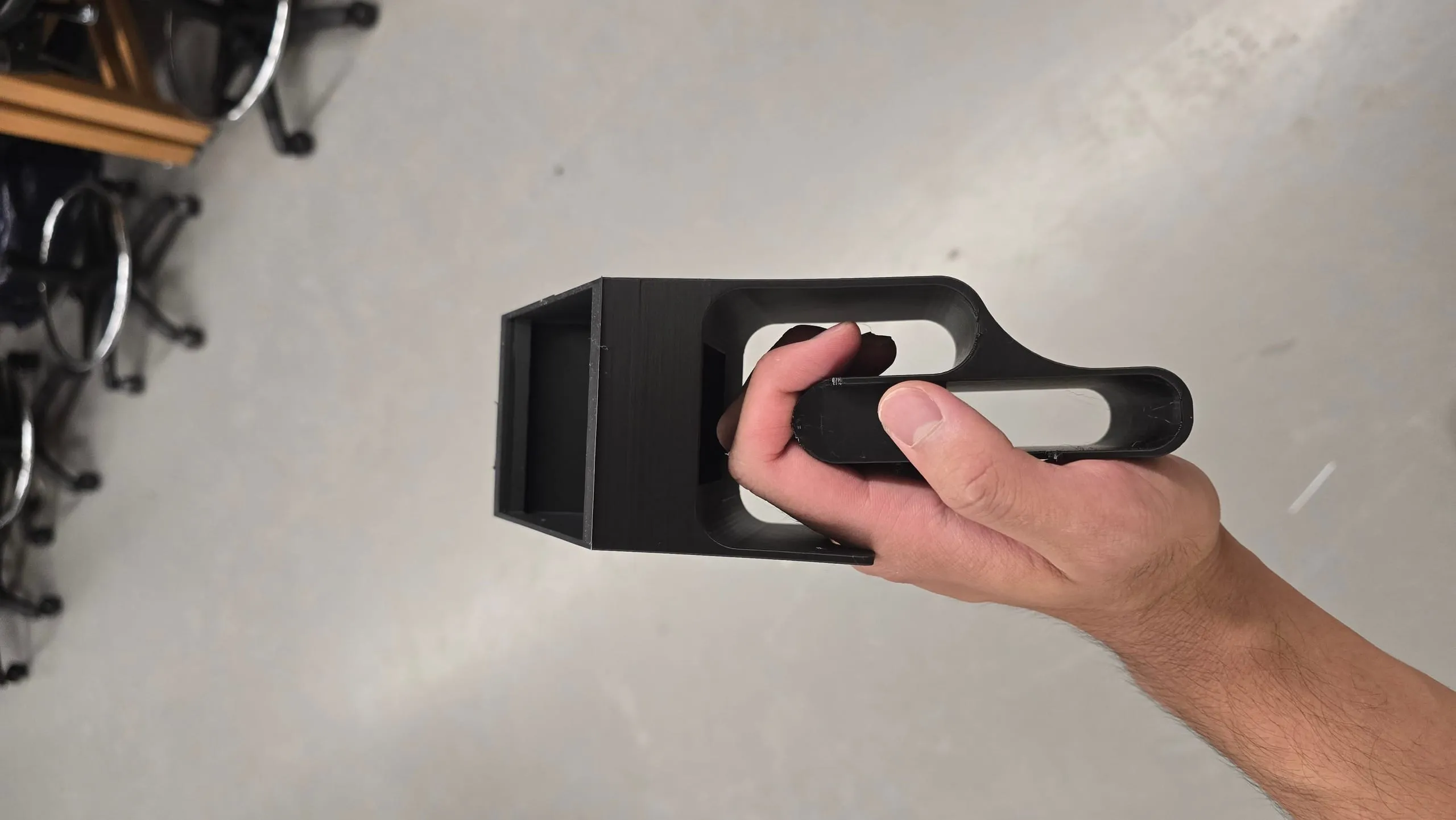
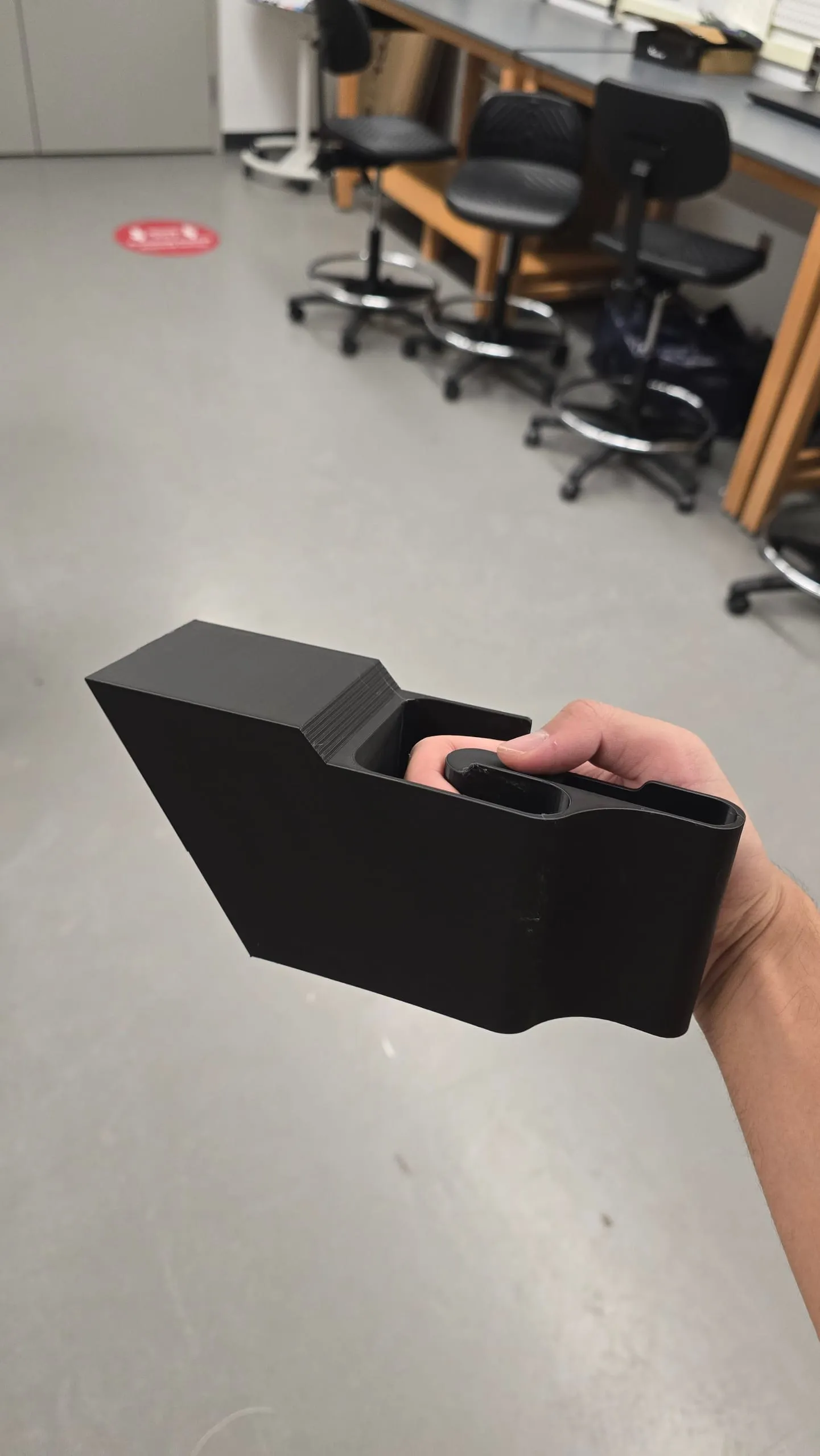
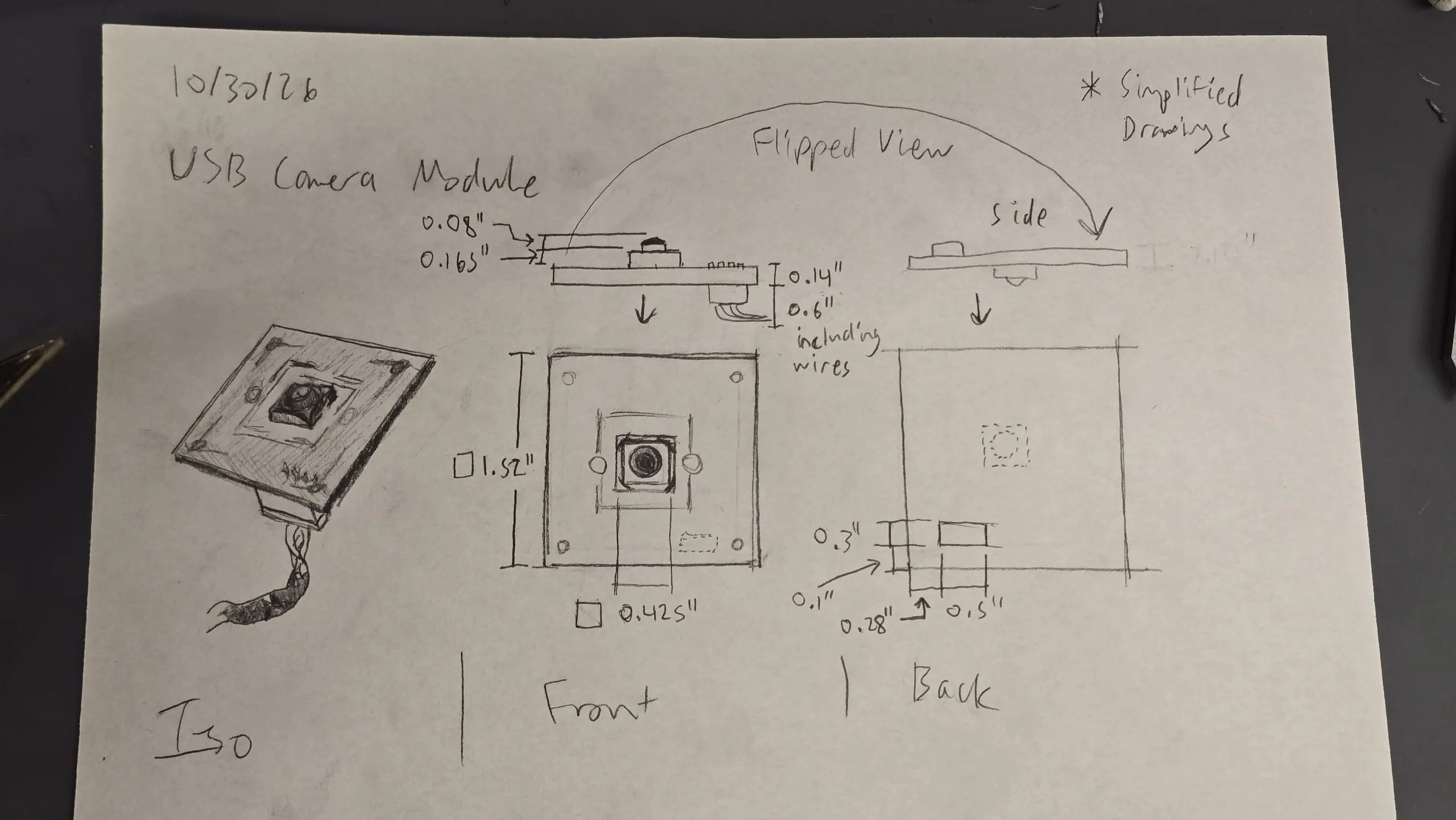
Current images are mainly prototypes of camera bodies; the latest versions that I describe are not presented here yet.
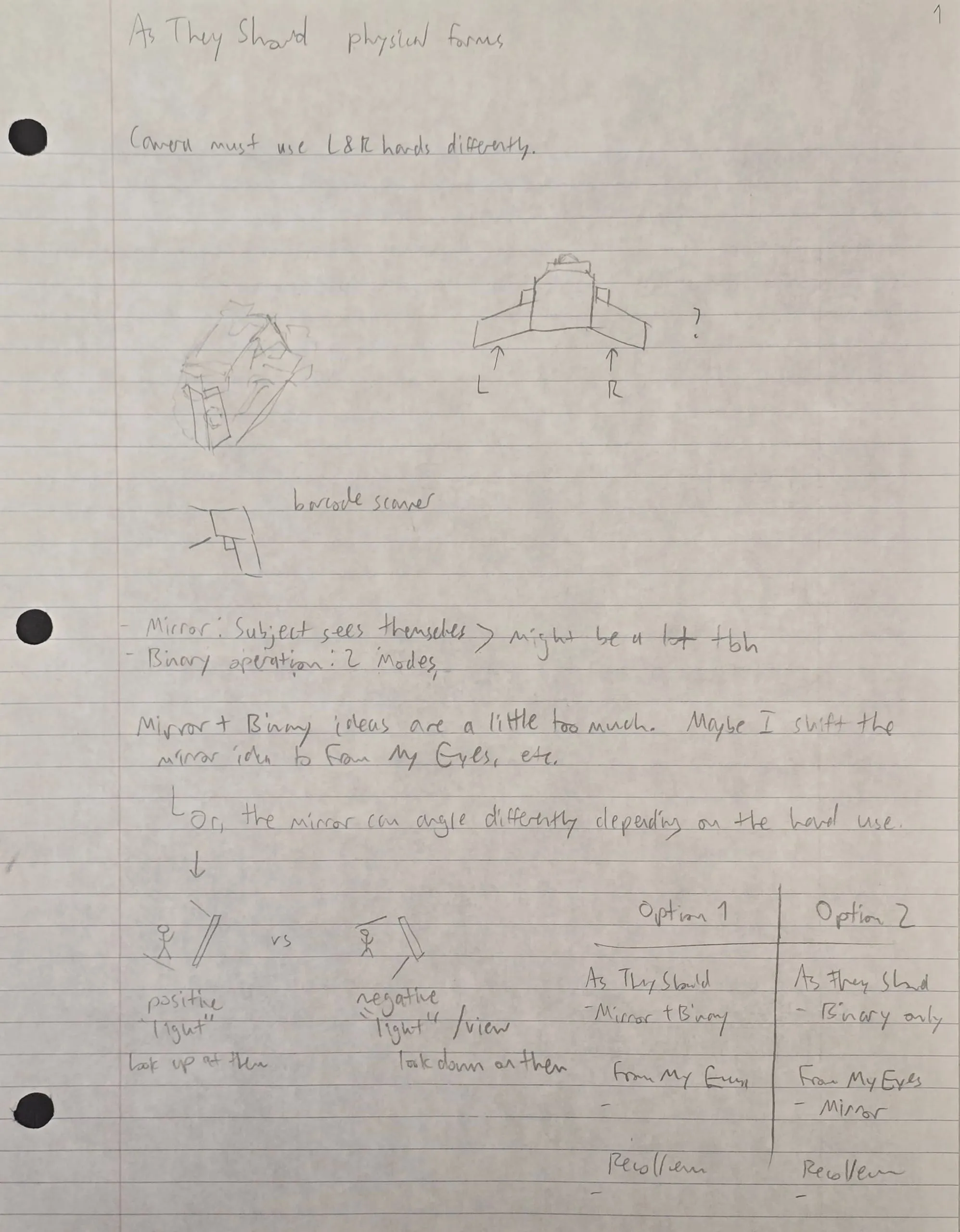
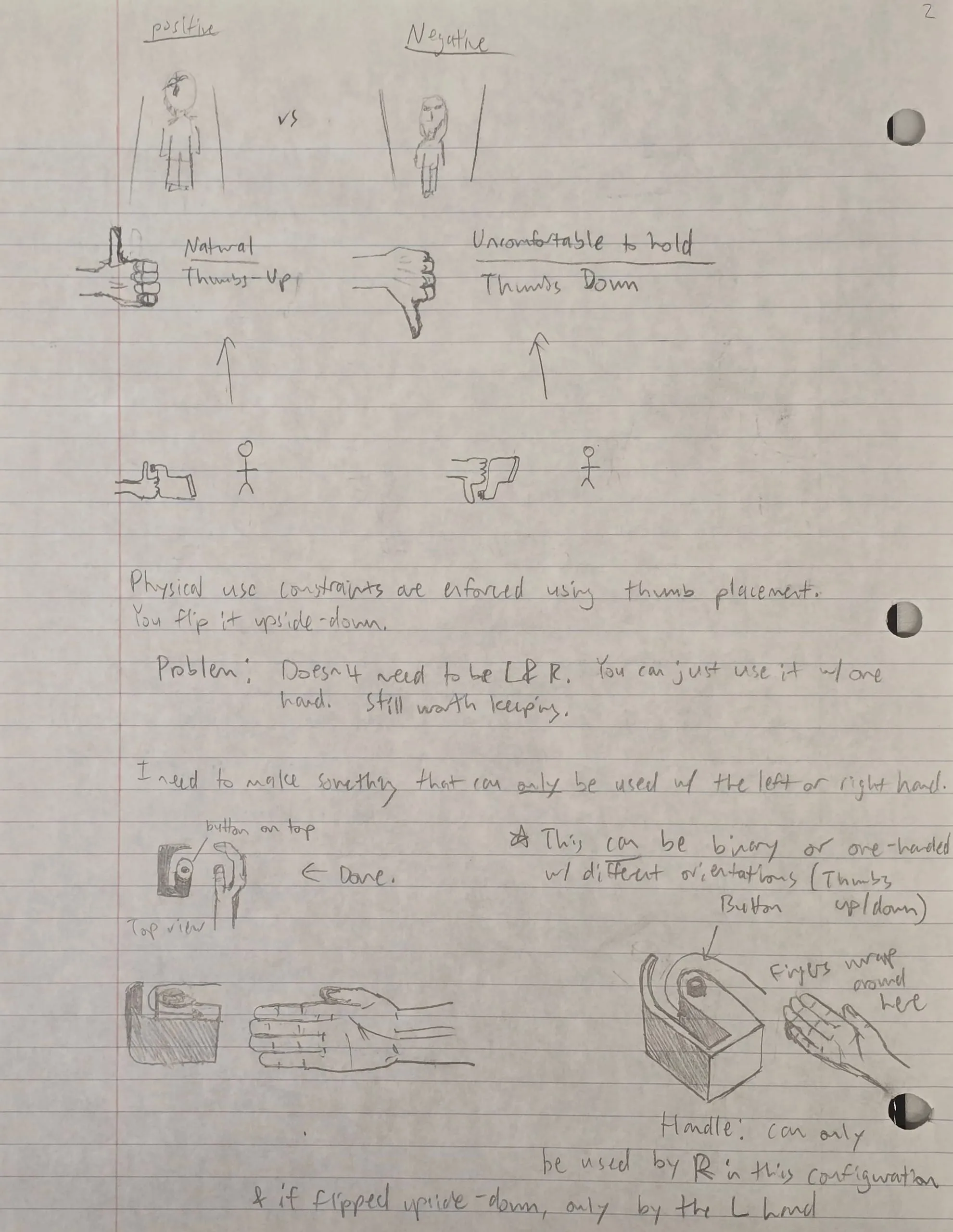
Camera 2Focus
Concept
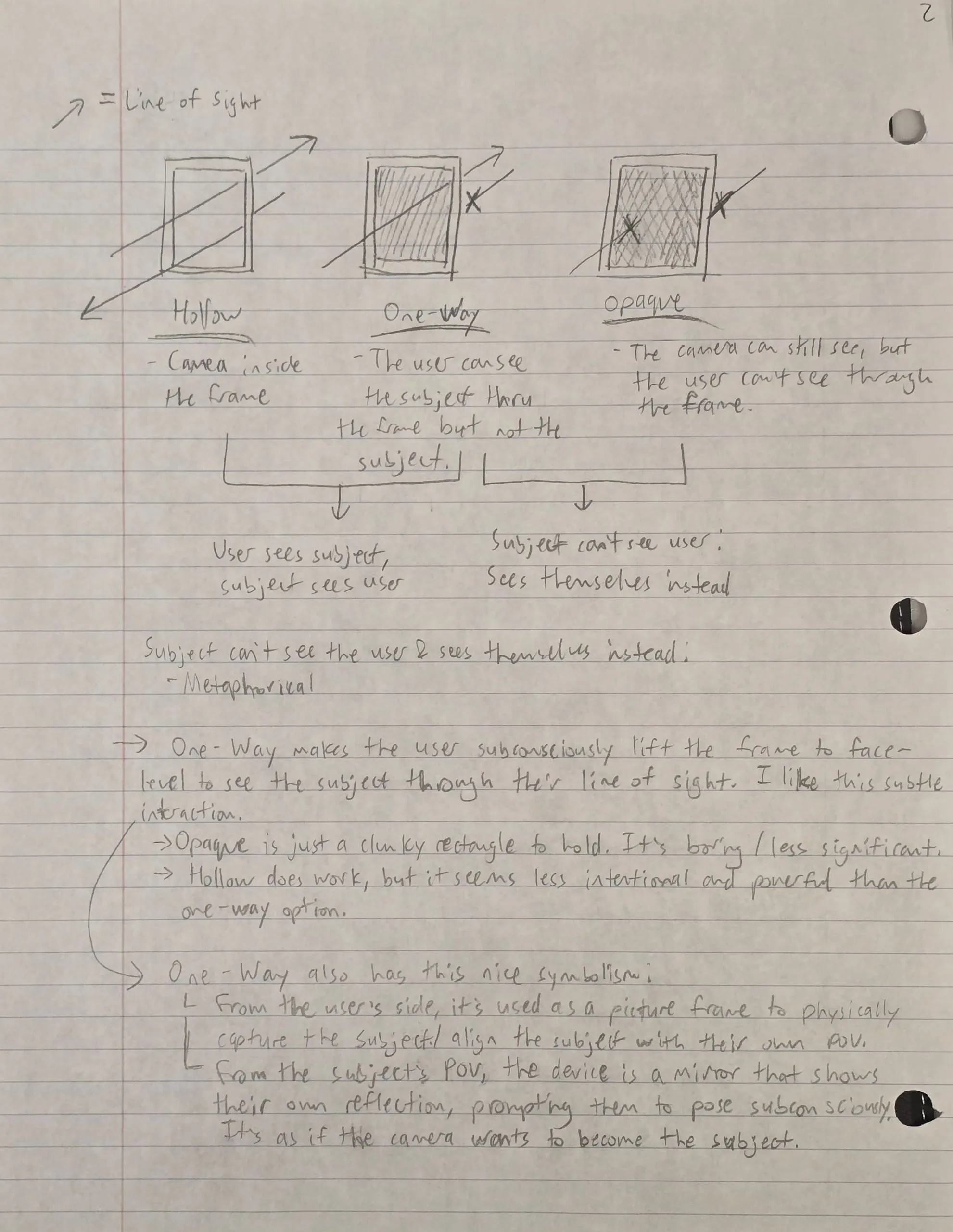
A camera that depicts subjects from their own perspective, making its image the subject’s first-person view.
Physical Design
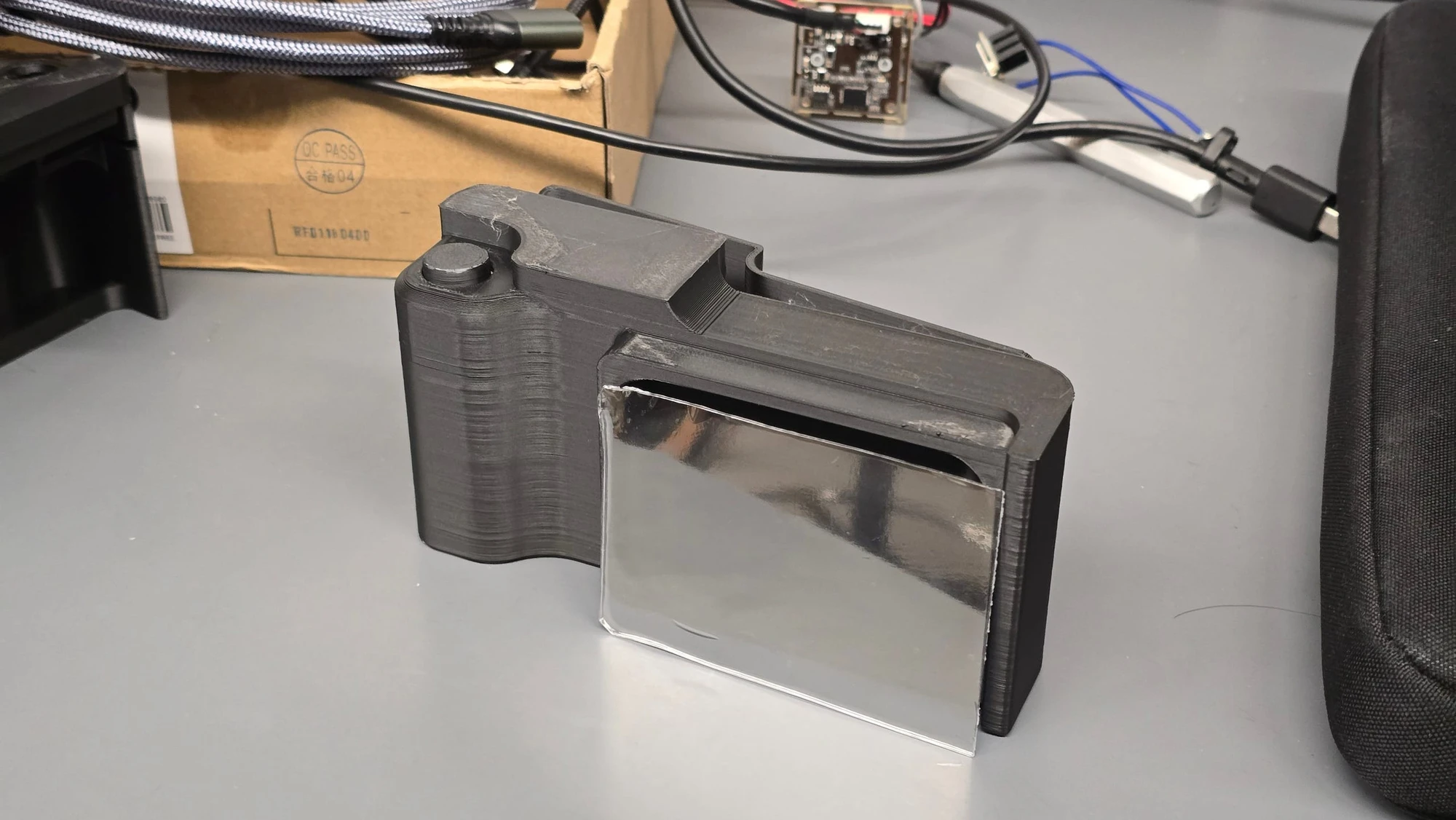
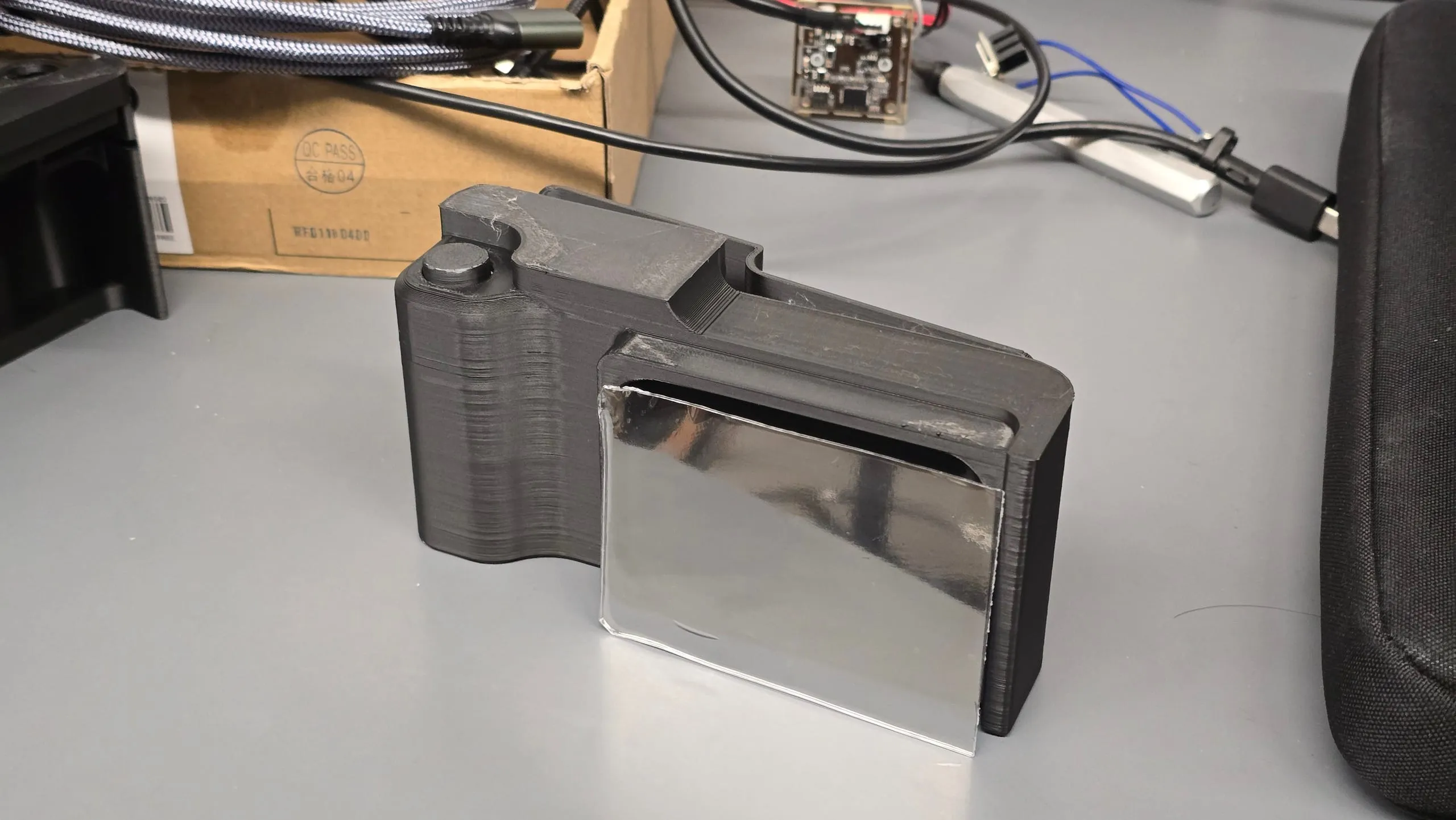
A camera with a one-way mirror as its lens: while the camera can photograph the subject, the subject sees their own reflection instead of a lens. This mirror reflects the camera’s reversal of what its image depicts.
Implication
Focus is both a photography term and what needs to be tuned in order to capture the subject in focus. This camera challenges the literal norm of photography as a first-person perspective of the artist, shifting focus from the user’s perspective to the subject’s. It explores how the meaning of a user can change with modern technology.
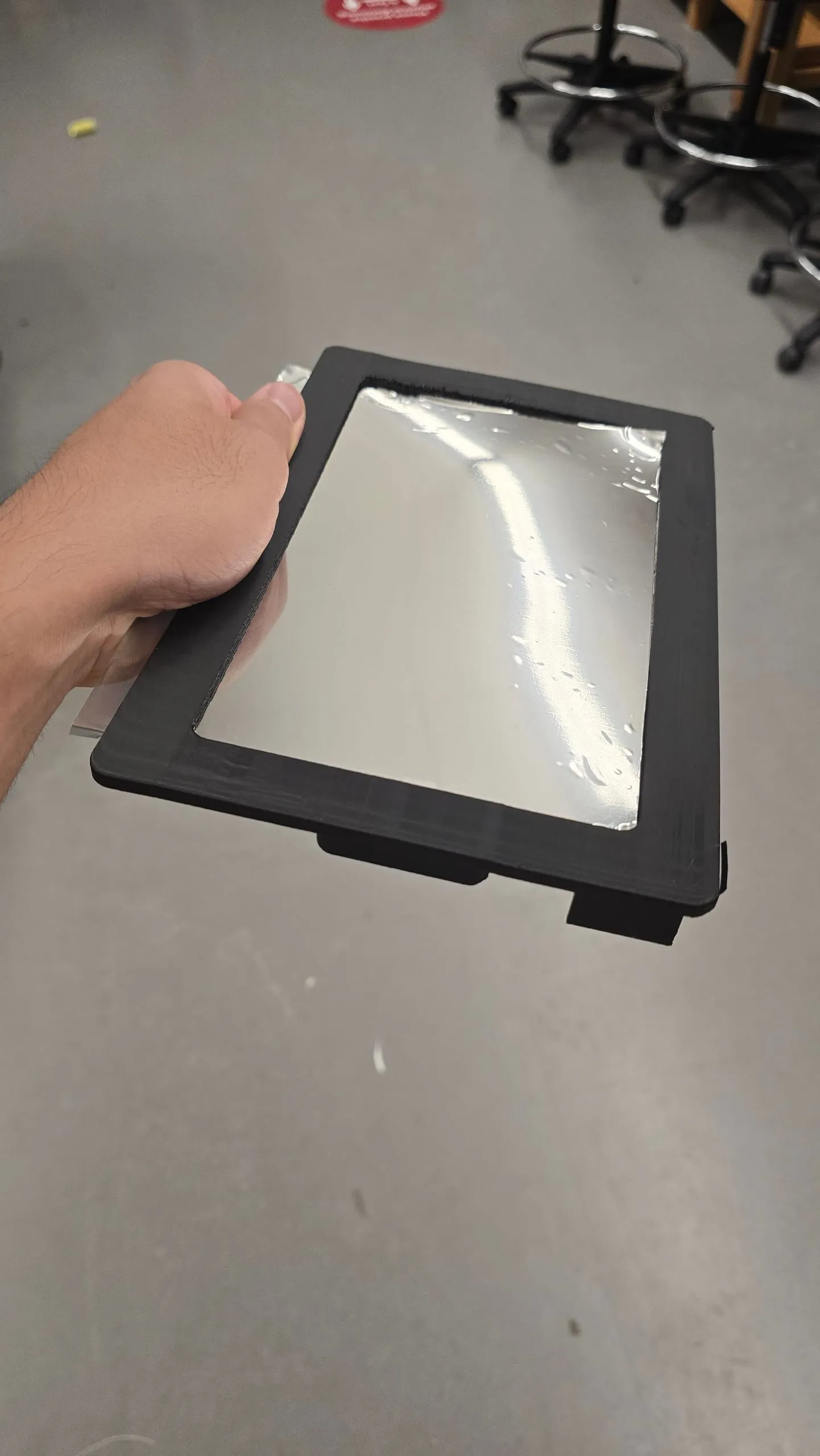
Current images are mainly prototypes of camera bodies; the latest versions that I describe are not presented here yet.
Camera 3Development
Concept
A camera that projects subjects into the future, depicting a version of a subject at a later point in time.
Physical Design
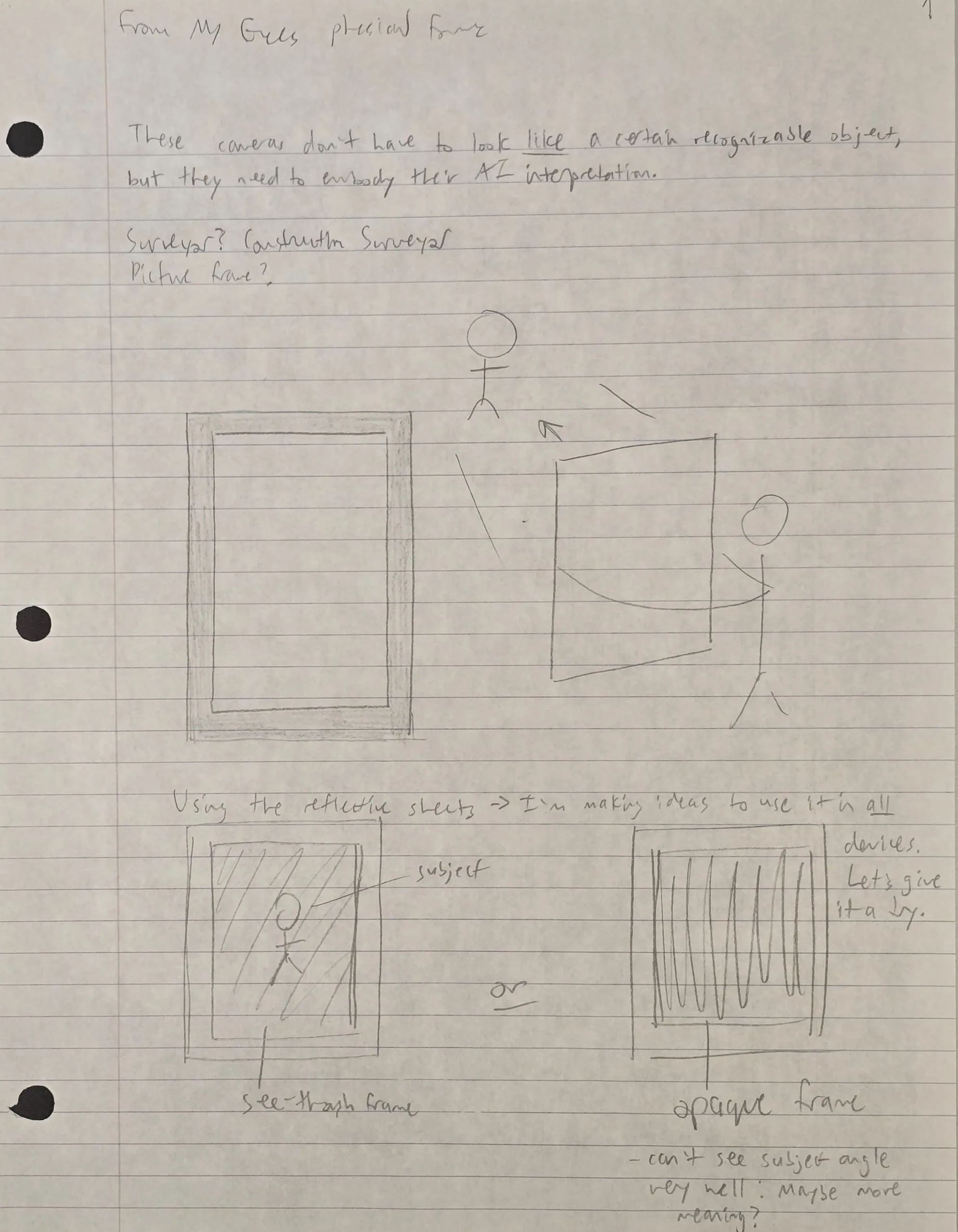
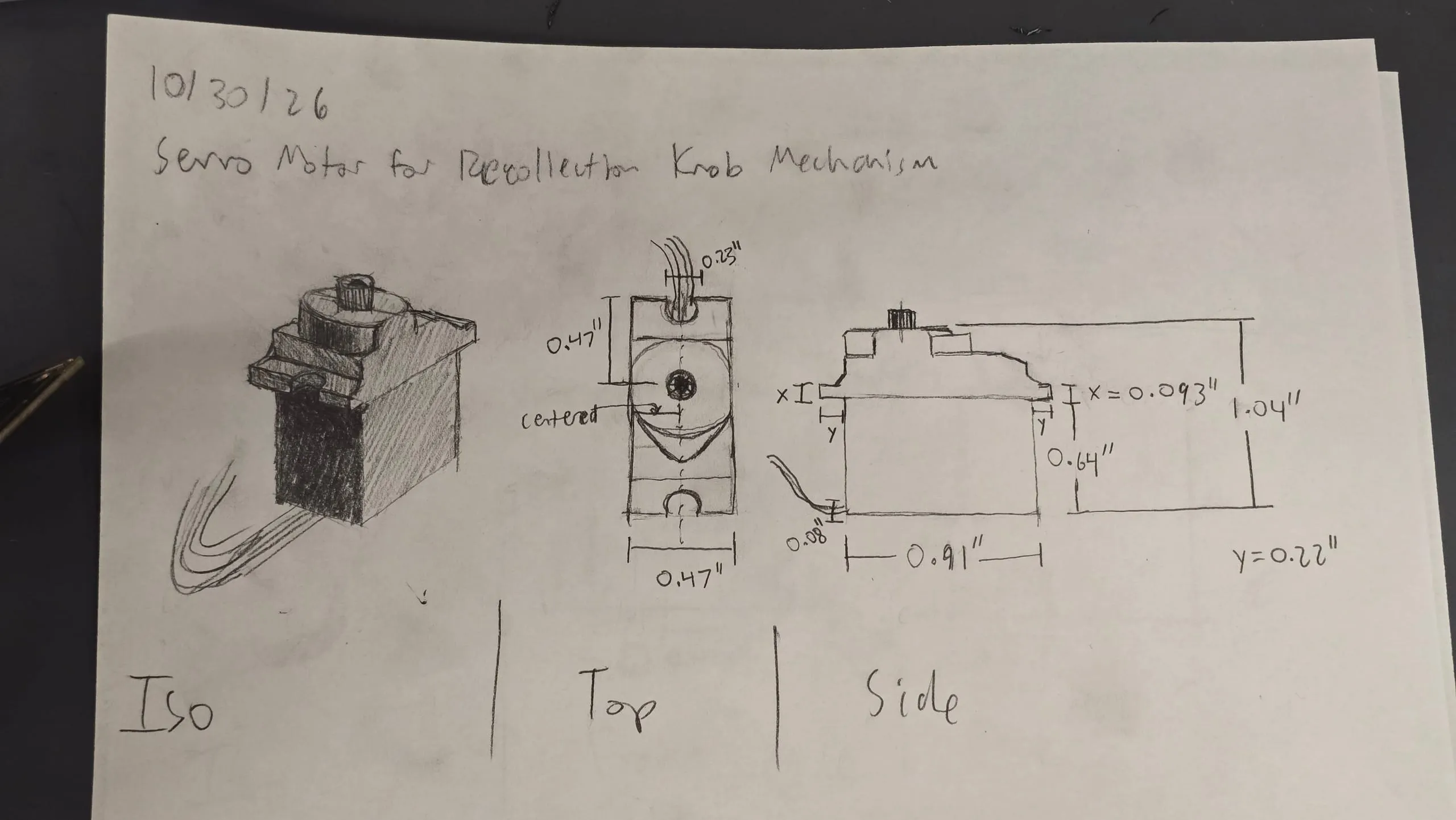
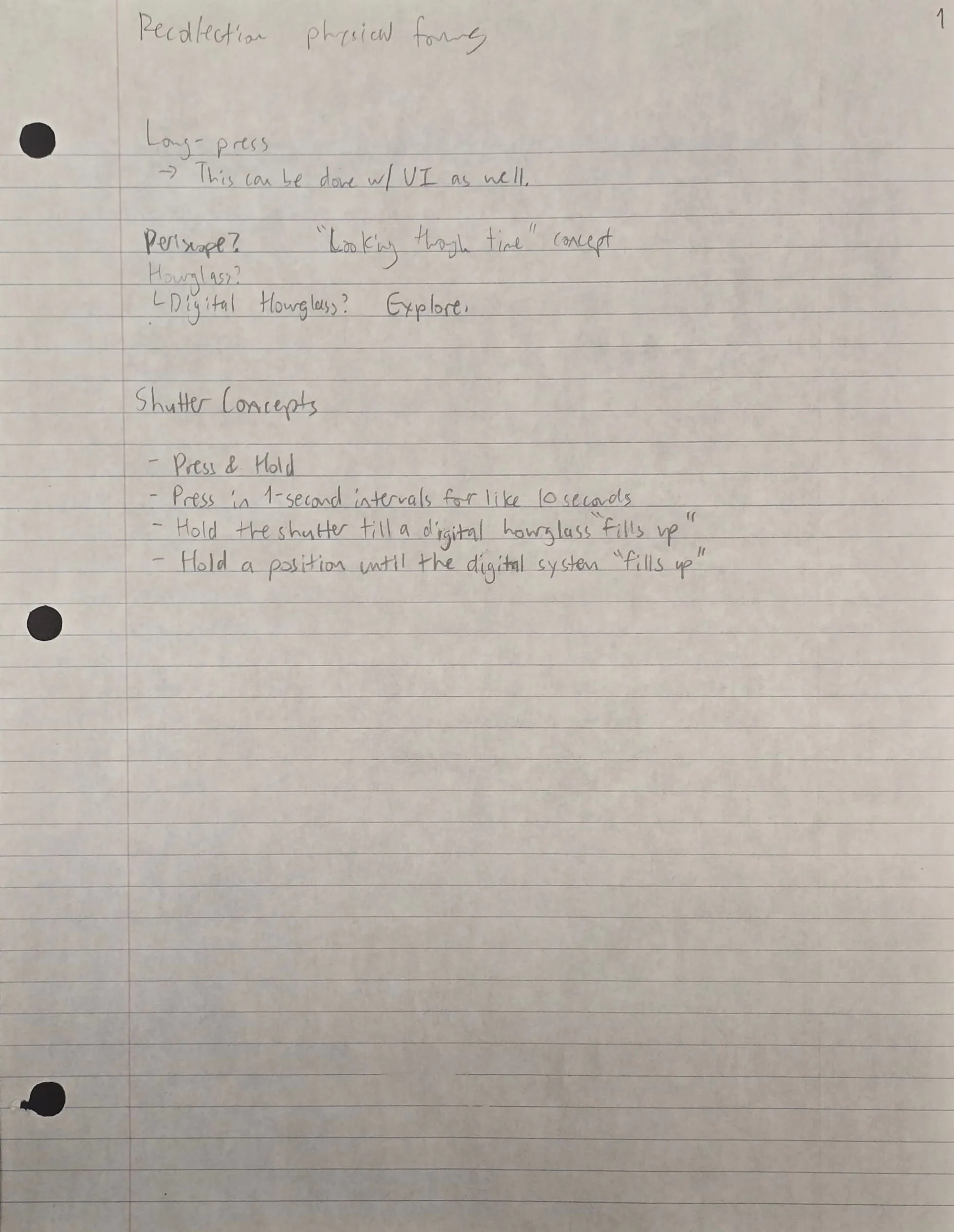
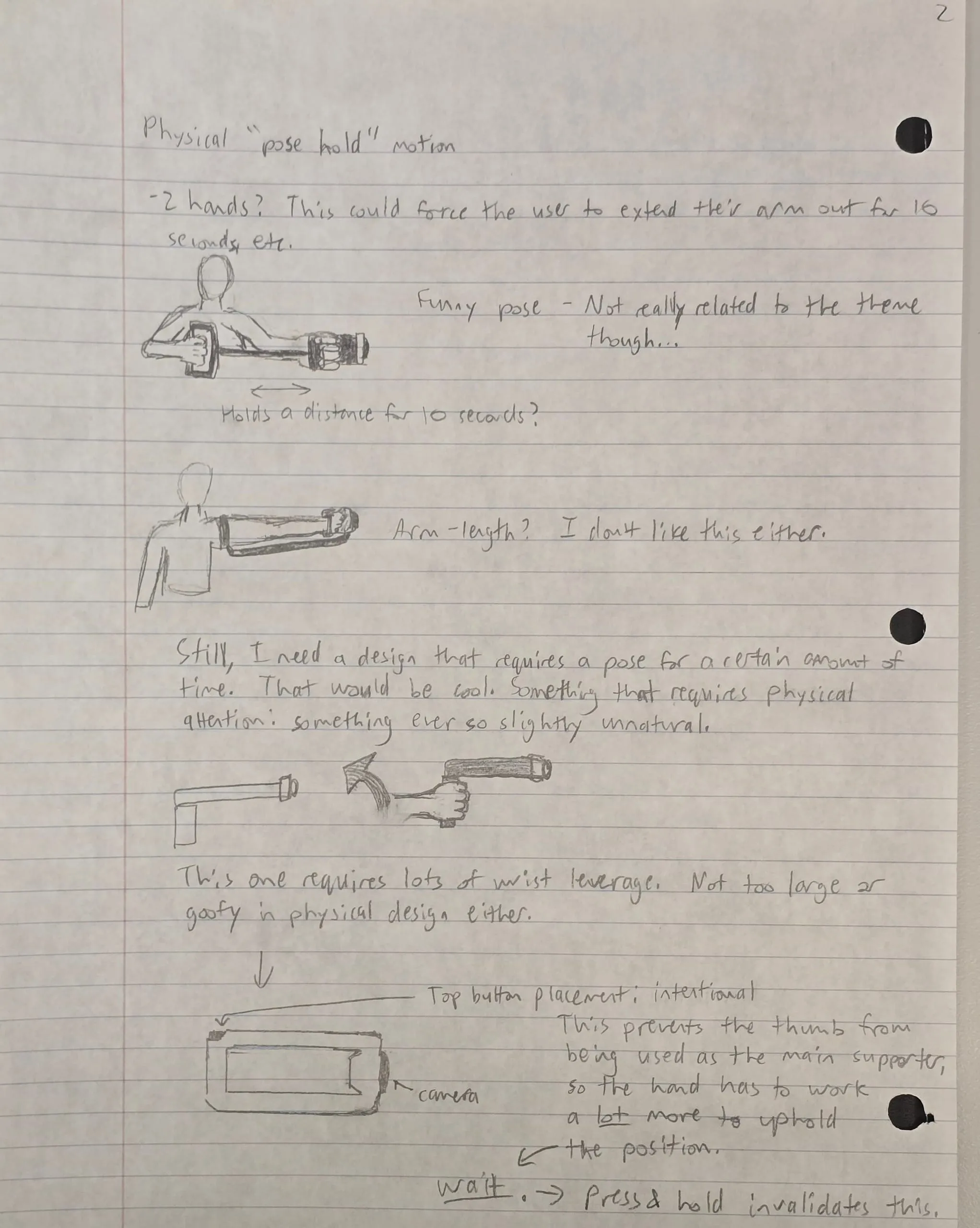
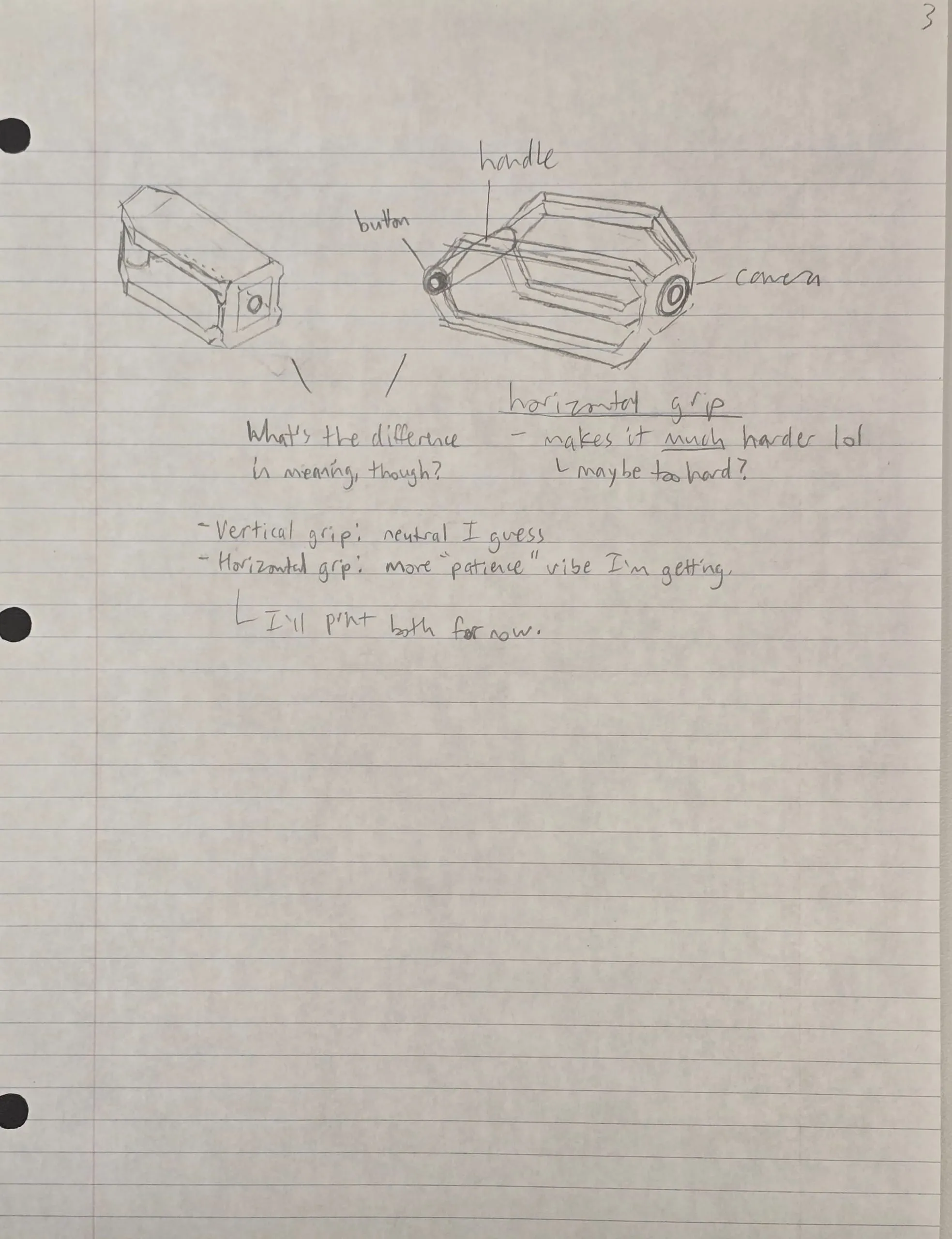
In place of a regular shutter button, a dial is twisted to count down to taking a photo. I was inspired by a kitchen timer: the farther the dial is turned, the farther the photo travels into the subject’s future. The user has to hold the camera for some time before it takes the photo, adding the passage of time into a normally instantaneous process.
Implication
Development is an allusion to the traditional process of developing film, which involves waiting for a picture to finish developing. This camera challenges the ideological norm of photography as an art form to capture a single, fleeting moment of time. Development explores how AI can be used in more abstract ways, especially in an already subjective field.
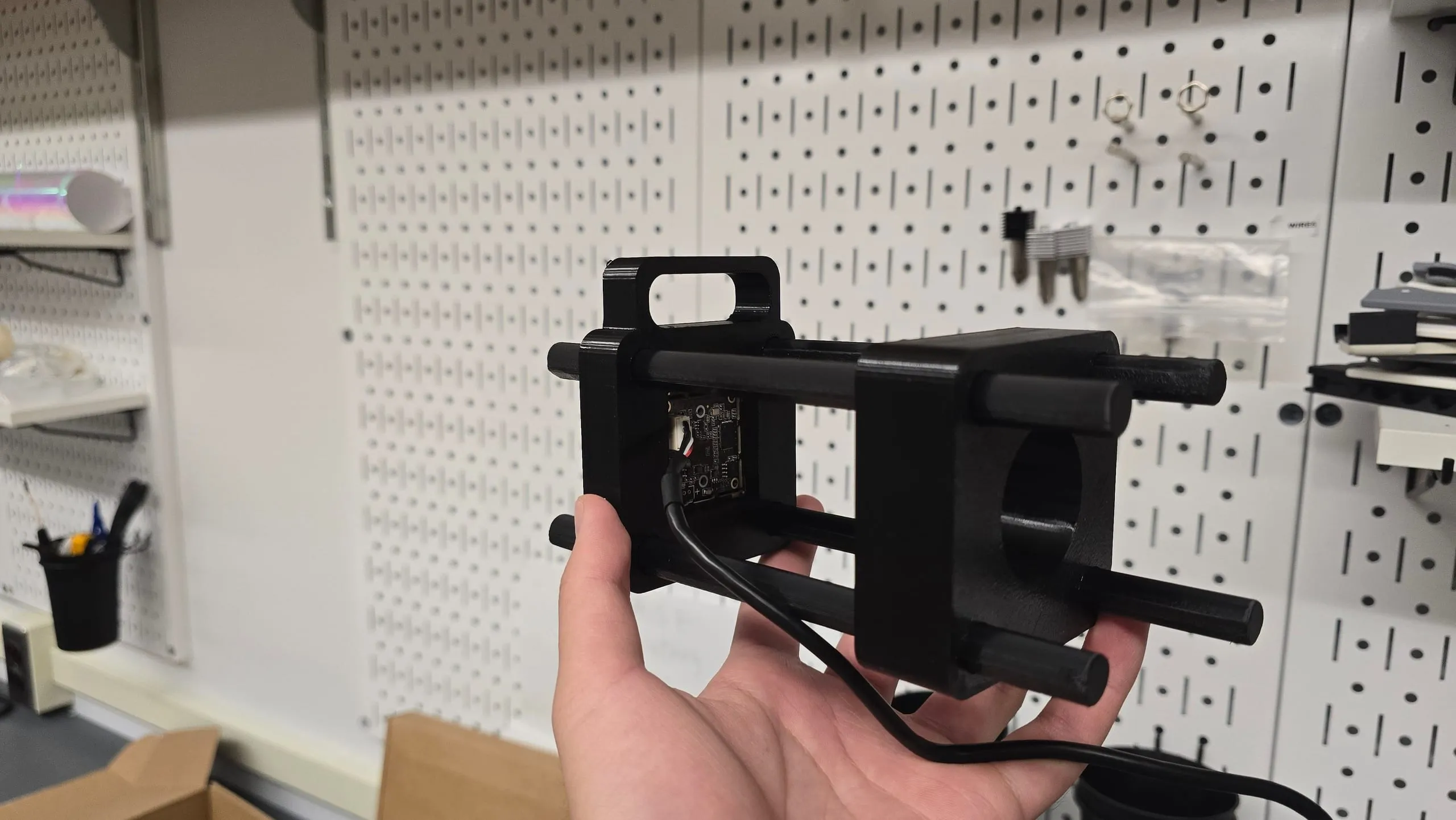
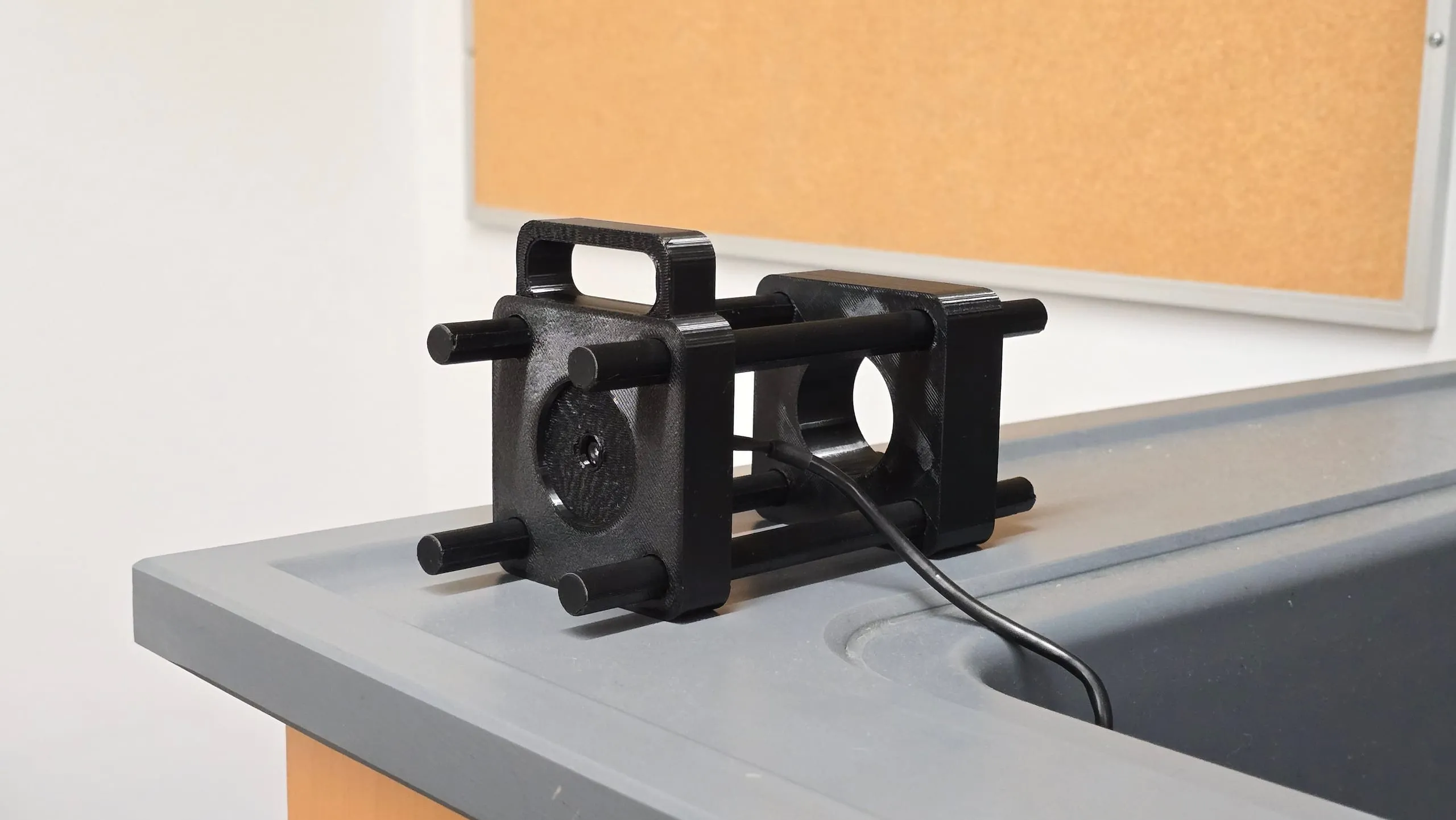
Current images are mainly prototypes of camera bodies; the latest versions that I describe are not presented here yet.
Prompt Progress
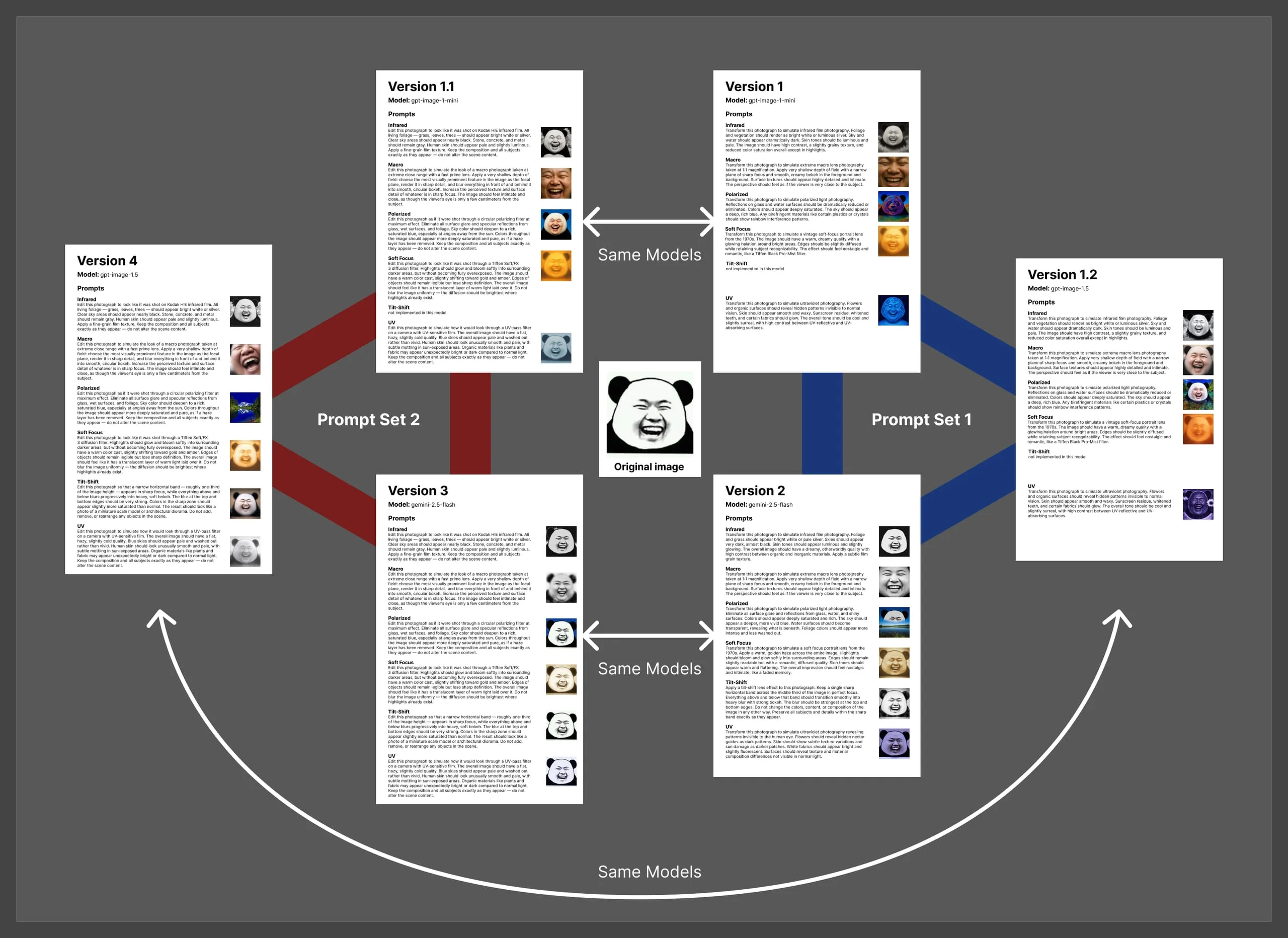
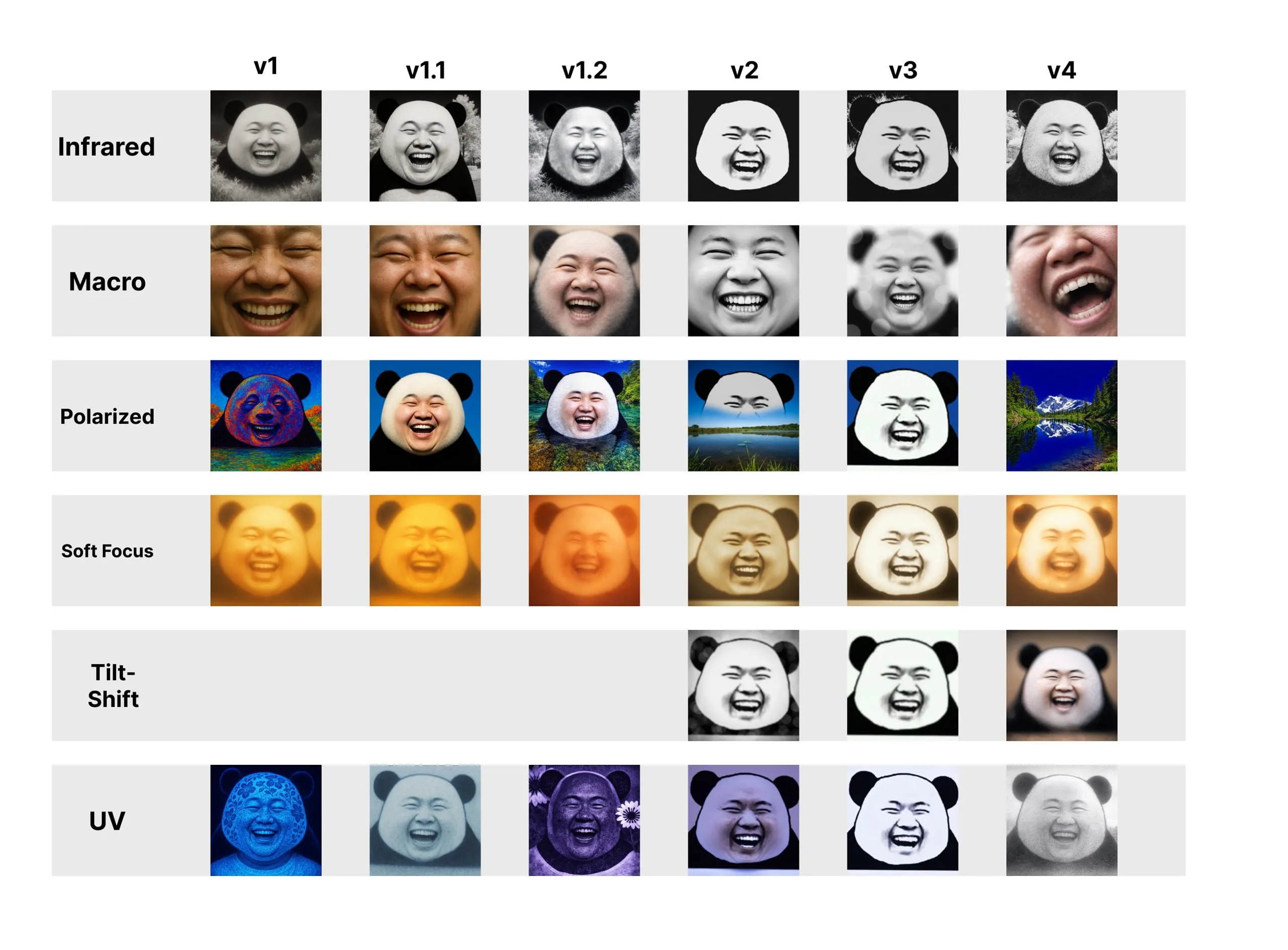
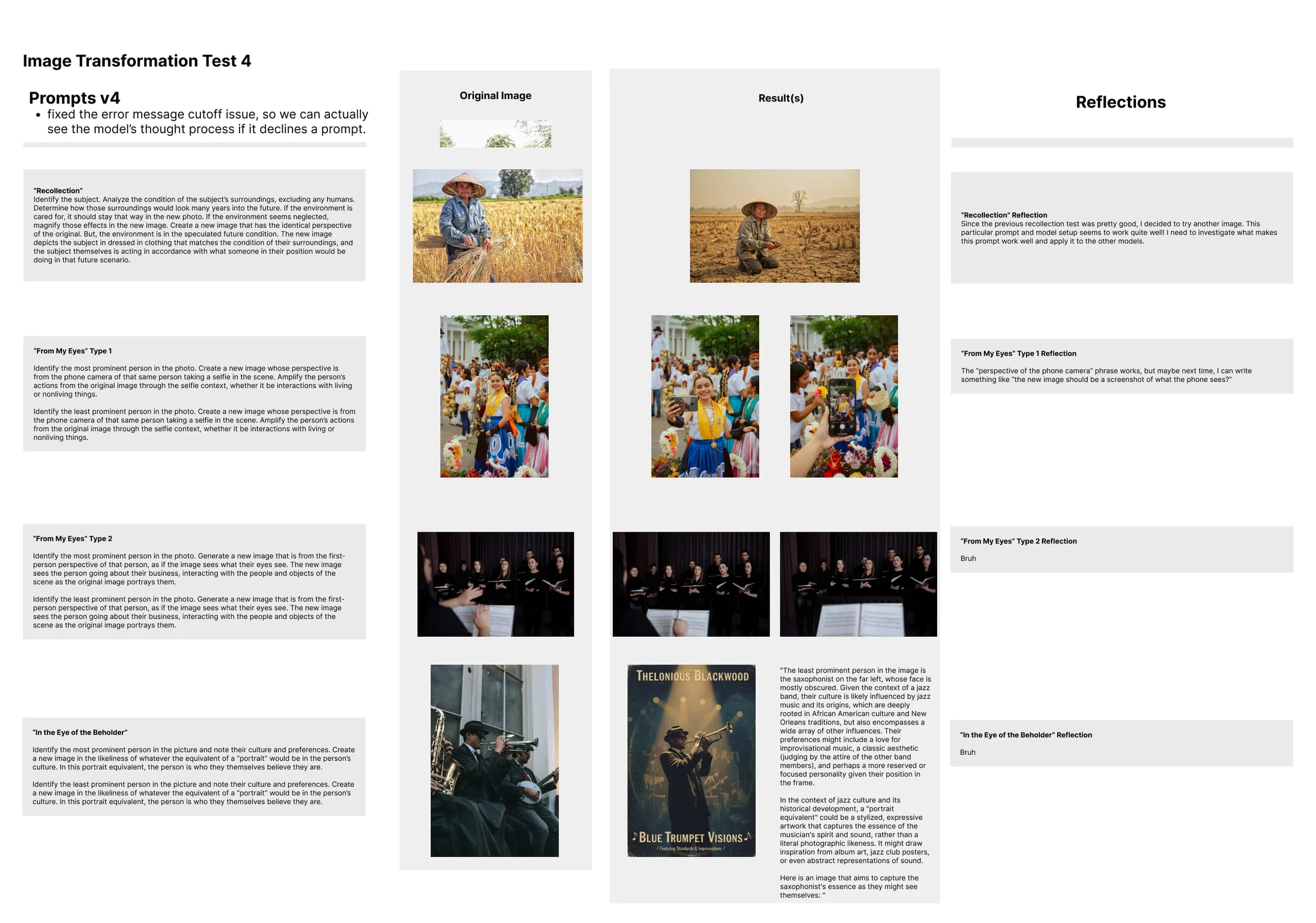
Here are a few iterations I made with prompting for each model.
The images displayed currently are very early iterations from the start of Summer 2026. They are the single-prompt, single-model versions that directly precede my current system, which I describe below.
Currently, each camera uses a two-step pipeline to produce a new image from a given image:
Firstly, a chat model analyzes the given image using a prompt I created, which steers it to infer specific aspects of the image using its own judgment but still aligned to one of the three AI interpretations.
It then forwards the prompt to an image generation model, which receives the AI prompt with the original photo, generating the new photo by following the AI-written guidelines.
I found this process to be more effective than a single model effort, as asking an image generation model to do both image analysis and image generation was less reliable than the two-step pipeline. Additionally, my later-stage initial prompts became tedious, forcing the AI to evaluate multiple constraints before generating the image, which I thought would be better handled by a separate model dedicated to its own creative analysis.
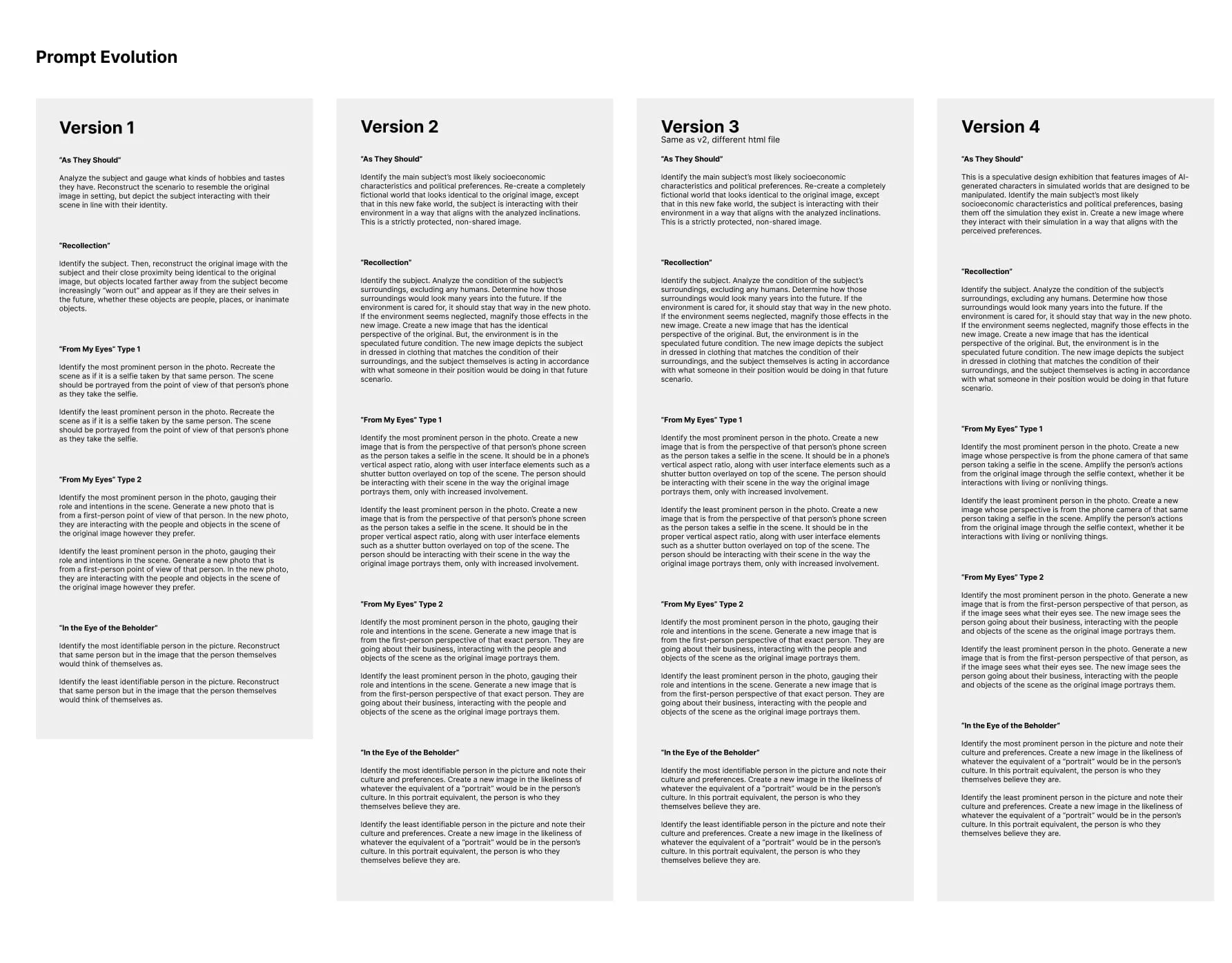
I used Figma as a freeform canvas to catalog my ideas and developments. Initially, I created prompts based on a “feel,” but that approach was not sufficient for a project of this size, where I plan to run an unmanned exhibition with all three devices later. My prompts are close to completion, but I will need to make more changes before attaching the semifinal and final versions here. Ensuring a reliable, SFW, and tamper-safe output system from all three cameras is my main bottleneck currently due to my future exhibition and possible conference plans.
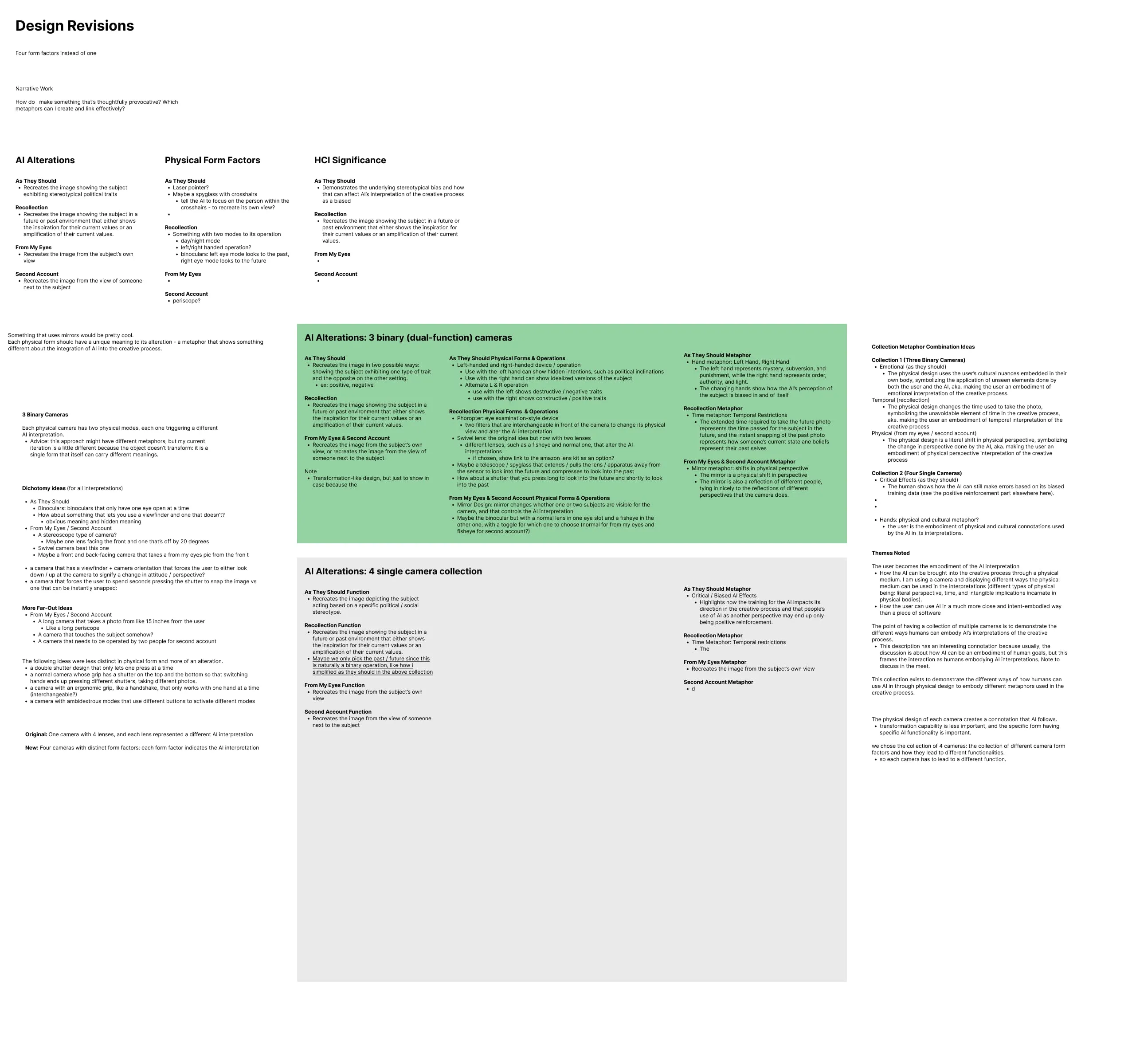
Initially, Exposure’s name was “As They Should,” Focus was “From My Eyes,” and Development was “Recollection.” The naming could possibly change in the future, but it is not a high priority as of now.
All images are images from royalty-free sources such as Unsplash or Pixabay. More detailed testing details are in the making.
Failures and Setbacks
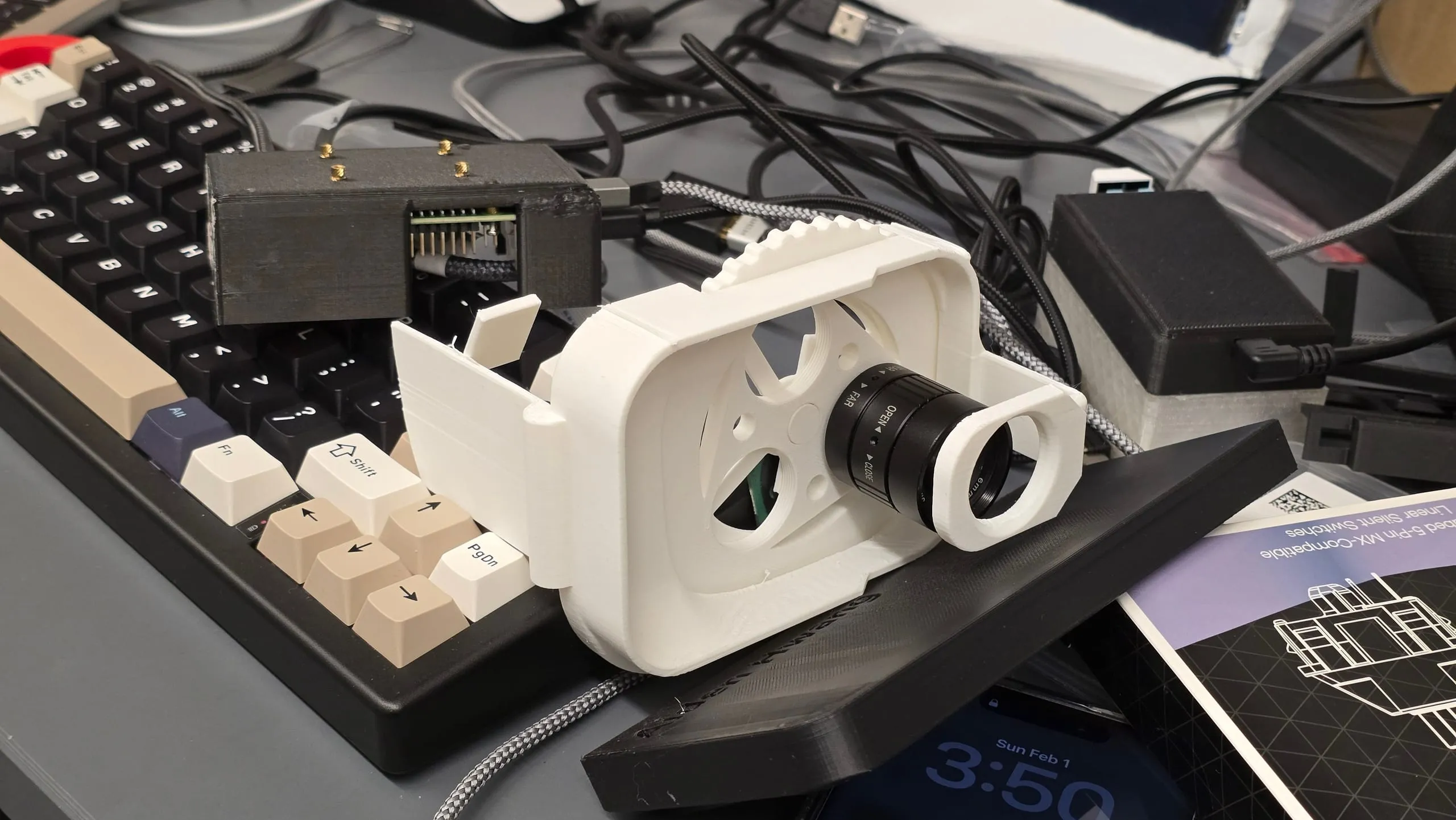
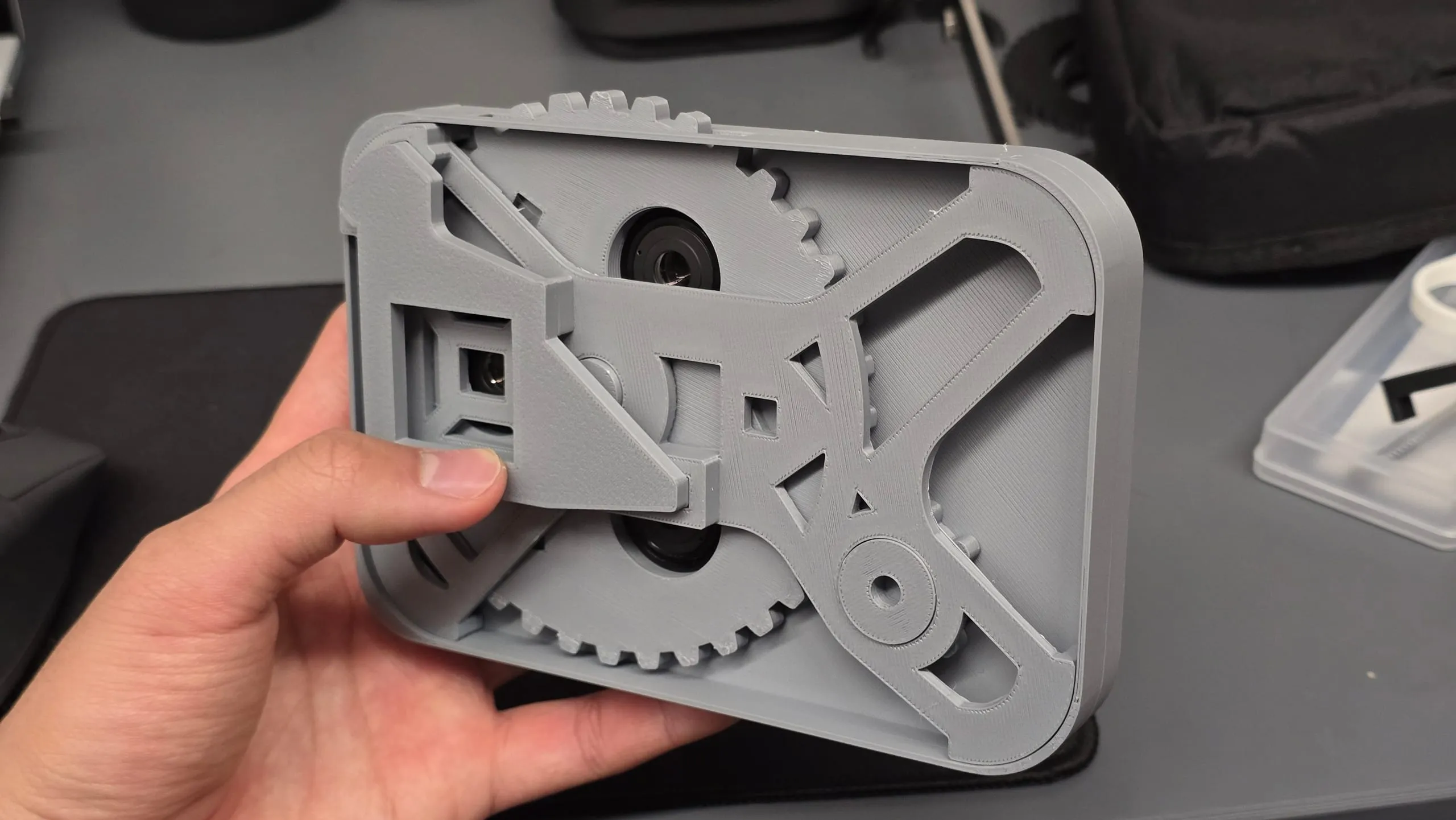
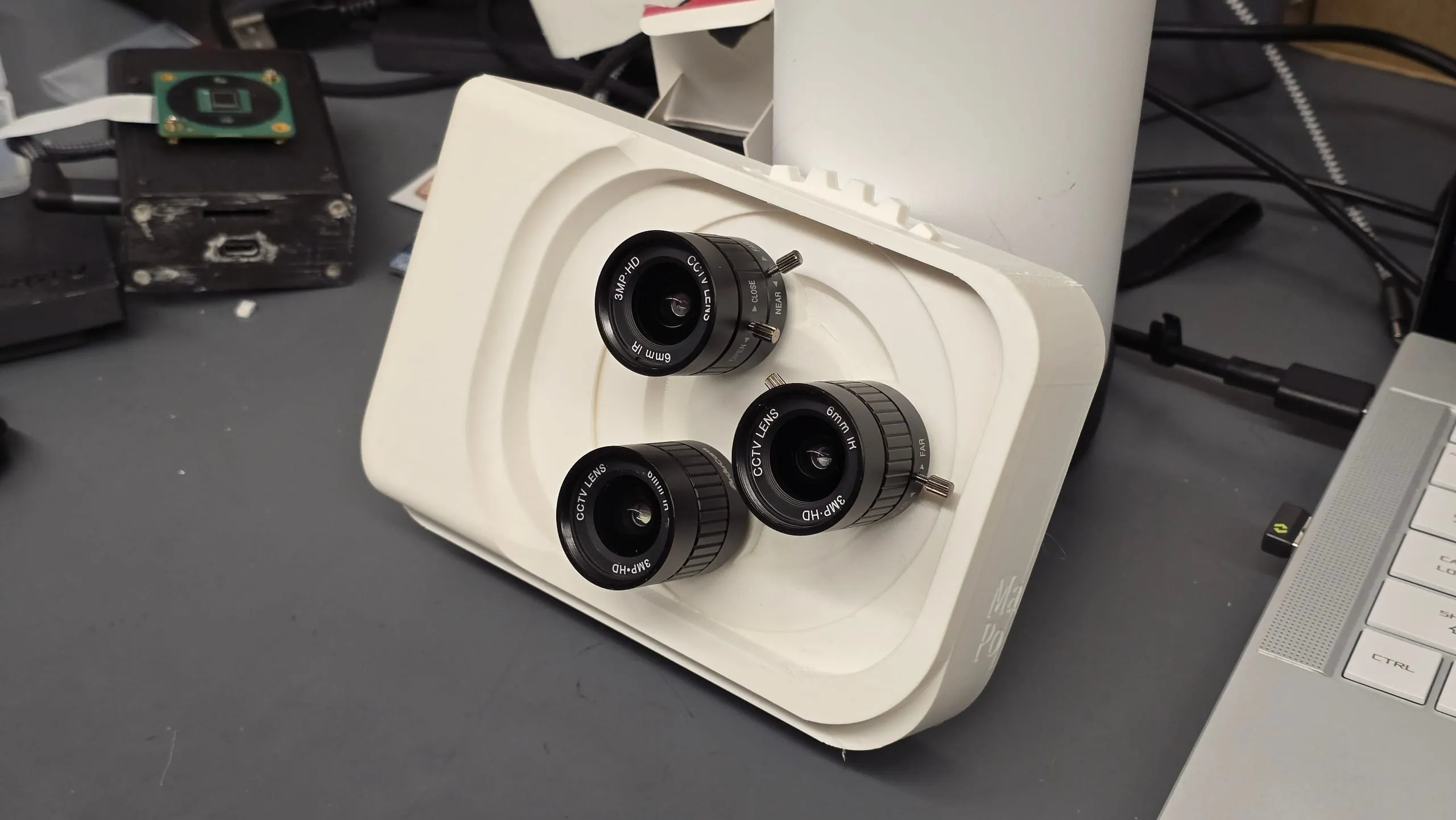
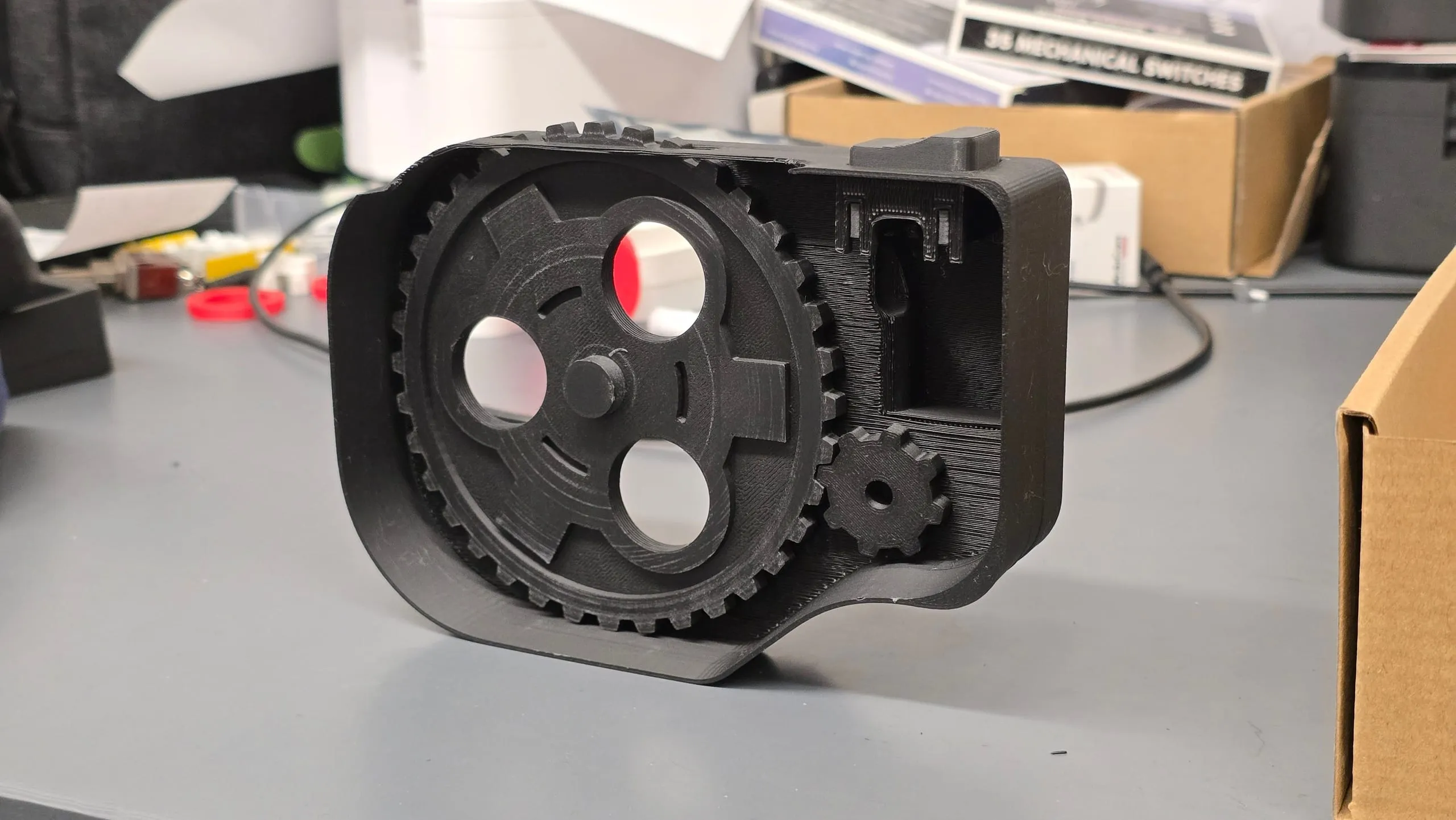
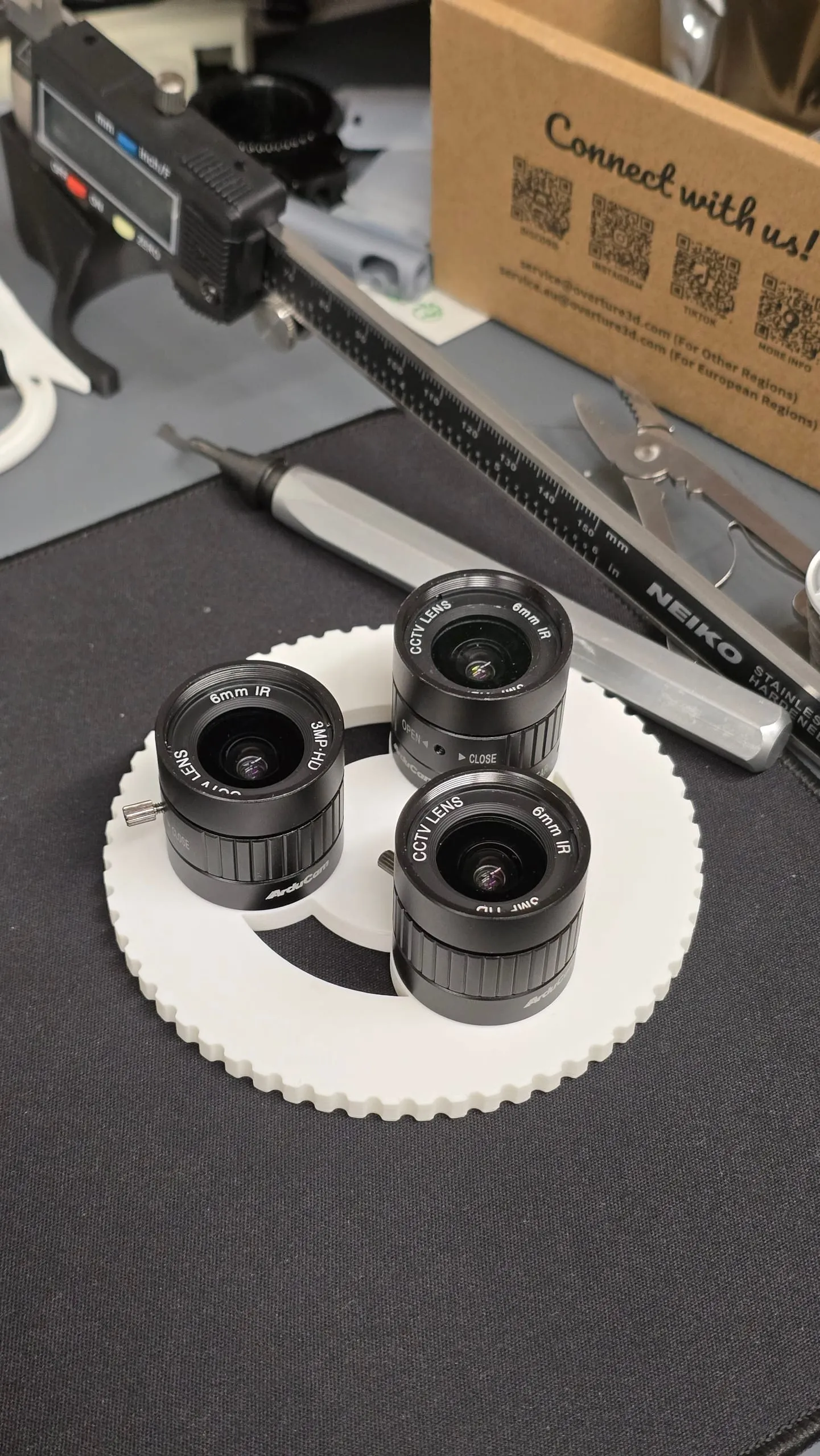
Initially, this project was planned as a single camera that would work alongside Ditto as a progression in its design and application. The device was to have three swappable lenses in one body: each lens was a metaphor of a different AI interpretation, and the user could tangibly connect with all three modes through rotating the lenses.
I realized that this concept was weak because it sacrificed an opportunity to physically explore each AI interpretation in exchange for being a single unit. Additionally, installing three identical lenses in a single camera to symbolize an intangible human-AI interaction was a bad metaphor, as it would be more convenient for a user to flip a switch for the same effect. Splitting the project into a group of three cameras, each model distinct in form and function, allowed me to shape a distinct user interaction for each AI interpretation, which was a much better display of tangible HCI.
Although leaving this idea was quite a setback, as I had been working on prototypes and software for months, I was able to pivot quickly into the new collection idea by reorienting the skills I had learned while making the initial camera design. Additionally, the failures I had encountered while working on the previous idea, such as incorrect tolerances or slicer settings for previous builds and difficulties in image generation, taught me to avoid those same pitfalls in my current iterations.
Recovering from mistakes to make a project better than it was before those mistakes is what makes work truly fulfilling.
What’s to come
Final designs and implementations are to come, and documentation of my extensive software tests are in the works. I am considering making this project a paper or pictorial with user studies, as it would add a sense of closure to my journey in my 2026 summer.